
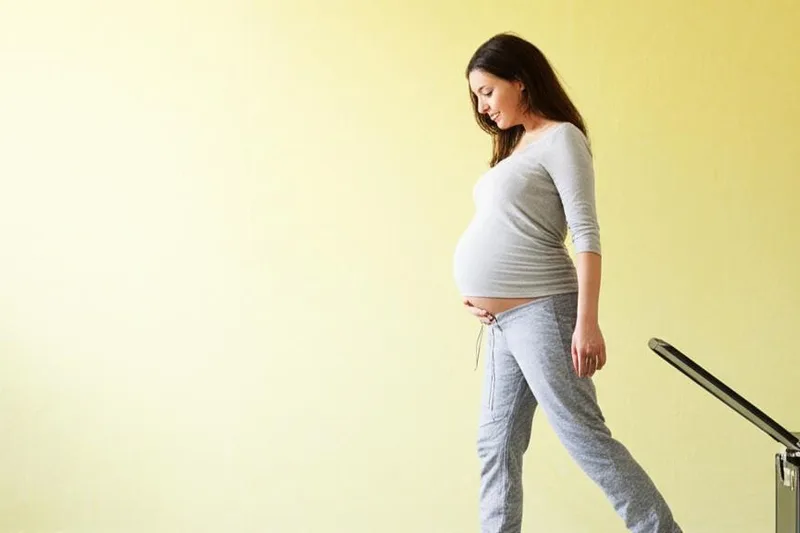
If you're pregnant , one of your biggest fears is probably slipping or tripping. This is actually a common concern for many mothers. Studies show that 30% of pregnant women fall at least once during pregnancy. So while this is common, it's important to be aware of it. Today, we'll talk about why this happens during pregnancy, what to do if you fall, and how to protect yourself from falls.
Why do you try to fall like this during pregnancy?
Pregnancy is a time when your body goes through many amazing changes. All of these changes are to protect the baby in the womb and create the environment it needs to thrive.
Think about it, your uterus is a strong wall made of thick muscles. And there is amniotic fluid surrounding the baby. These are like an airbag in a car, protecting the baby from minor impacts.
But during this time, your body's heart, lungs, urinary system, as well as bones and muscles, undergo many changes along with your hormonal activity. This can lead to weight gain , loss of balance, and some loss of muscle strength.
Simply put, as your belly grows, your center of gravity shifts, like carrying a heavy bag in front of you. This can make it harder for you to balance as you used to.
Another major reason for this is the hormone ``Relaxin`` . This hormone relaxes your joints and ligaments. This hormone prepares the muscles and joints in the pelvic area for childbirth. But as a side effect of this, the joints in your legs and hips also relax. This "loose" state makes you more likely to lose your balance when you walk and fall.
What should you do if you fall? Should you be afraid?
First of all, not all falls are dangerous. Especially in the first trimester of pregnancy, the risk of serious complications from a fall is very low, because at that time the uterus is well protected by the pelvic bones.
However, a fall during the second or third trimester , especially if you fall directly on your stomach, can be a bit risky. But don't worry, the baby is usually well protected. But we shouldn't take any risks.
It's good to be aware of what can happen if you fall.
| Potential Risks of a Fall | |
|---|---|
| To mom | Fractures, internal bleeding. |
| For the baby | Head injury, damage to the placenta. |
| Other | Damage to the uterus, premature birth. |
| It should be noted: these are the most severe outcomes that occur very rarely, and most falls are not this dangerous. | |
If you fall, don't panic, first check for any injuries. Then sit calmly and watch for the following symptoms.
If you have these symptoms, see a doctor immediately!
If you have a fall during mid- or late pregnancy and have any of the following symptoms, see your doctor without delay . If necessary, go to the Emergency Department (ETU) of the nearest hospital.
| Warning Signs to Watch For | |
|---|---|
| Uterine contractions | If the stomach pain comes and goes periodically (contractions). |
| Vaginal bleeding | If there is a little blood or a watery liquid. |
| Severe abdominal pain | If you have persistent stomach pain. |
| Decreased baby movements | If you don't feel your baby moving or if it's moving less than usual. |
Even if none of these things happen, if you have any doubts, it's best to call a doctor and get advice.
Exercises that help maintain body balance
One of the best ways to prevent falls is to exercise regularly . This will improve your balance and reduce pain in your lower body. Exercises that strengthen the muscles in your abdomen, thighs, and hips are especially important.
Warning: Before starting any of these exercises, you should definitely consult your doctor to see if they are right for you, how to do them, and how often to do them.
Here are some simple exercises you can do at home:
1. Pelvic Tilt
This strengthens your abdominal and pelvic muscles.
- Get on all fours on a yoga mat with your knees and palms on the floor. Keep your back straight and parallel to the ground.
- Now take a deep breath, pull your stomach muscles in a little, and lift your back up, tightening your buttocks. Like an angry cat.
- Hold this position for a count of five, then slowly return to the starting position.
2. Leg Lift
This strengthens the muscles of the back, abdomen, and buttocks.
- Get on all fours. Your palms should be directly under your shoulders and your knees should be directly under your hips.
- Now bend your left knee and bring it towards your left elbow.
- Next, slowly extend that left leg back. The leg should be parallel to the ground and straight. Do not lift it higher than your hips.
- Return to the starting position and do the same with the other leg.
3. Backward Stretch
In addition, the thigh and pelvic muscles are well stretched.
- Stay on all fours.
- Now slowly bring your body back and bring your buttocks as close to your heels as possible.
- At the same time, lower your head and bring it closer to your knees. Your arms should be extended, palms facing the floor.
- Hold this position for a few seconds, then return to the starting position.
Remember these things to protect yourself from falls
Pregnancy is a time when you need to be extra careful. Research shows that a woman is 2.3 times more likely to be hospitalized due to a fall than a non-pregnant woman. So, if you make these simple things a habit, you can greatly reduce your risk.
| Do's | Don'ts |
|---|---|
| Hold the handrail when going up and down stairs. | Avoid walking on wet, slippery, or uneven surfaces. |
| Wear shoes with good grip and good soles. | Avoid wearing high heels or shoes that may cause tripping. |
| Leave a dim light bulb in the bedroom and bathroom at night. | Avoid carrying items that are so heavy or large that you cannot see ahead. |
Take-Home Message
- It is common to experience falls during pregnancy due to changes in the body (especially weight changes and the hormone Relaxin) .
- Most of the time, your baby is well protected by the thick walls and amniotic fluid of the uterus.
- If you experience symptoms such as vaginal bleeding, persistent abdominal pain, uterine contractions, or decreased baby movement after a fall , seek medical advice immediately.
- Simple exercises, done with the approval of your doctor, can improve your body's balance.
- Simple steps such as avoiding slippery surfaces and wearing appropriate footwear can greatly reduce the risk of falls.
- If you have any doubts or fears, never hesitate to discuss them with your doctor.




💬 Comments (0)
No comments yet. Be the first to share your thoughts here.
Add Your Comment