
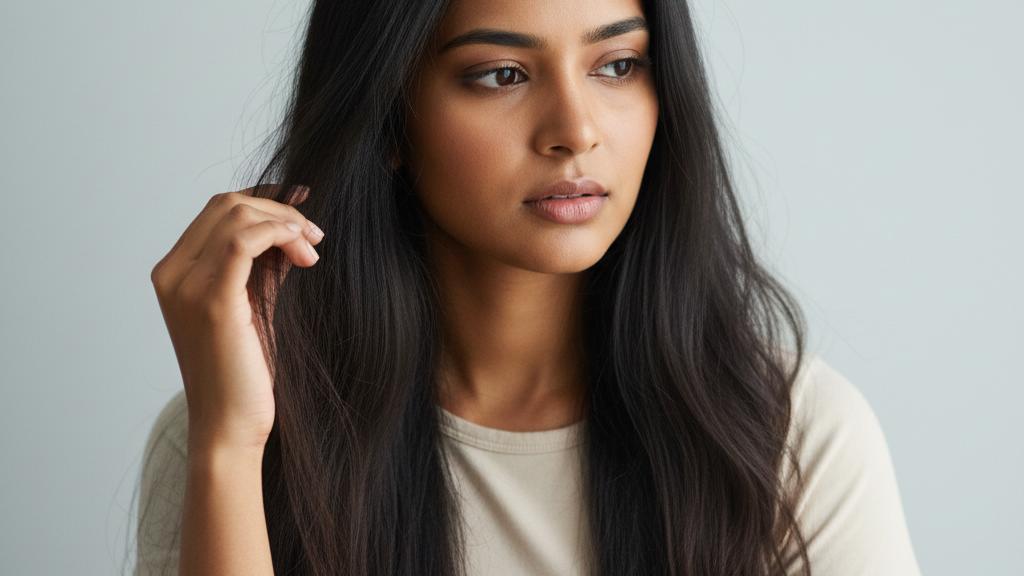
Are you noticing more strands of hair on your pillow in the morning, or perhaps a significant amount washing down the drain? Do you feel like the hair you once cherished is becoming thinner? This is a common concern for many women. Today, we'll delve into the topic of female hair loss, medically known as Alopecia.
What Exactly is Female Hair Loss?
Simply put, female hair loss refers to unexpected and excessive shedding of hair in women. It's normal for everyone to shed about 50 to 100 hairs daily. This is part of the natural hair growth cycle where old hairs fall out as new ones grow in – a balanced process. However, when this balance is disrupted, meaning more hair falls out than grows back, it leads to noticeable thinning or bald patches, which we commonly refer to as hair loss.
Remember, shedding some hair daily is perfectly normal. The issue arises when the amount of shedding increases significantly, or when visible thinning or bald spots appear on the scalp.
The Hair Growth Cycle Explained
Each individual hair follicle goes through a distinct life cycle consisting of three main phases:
-
Anagen Phase (Growth Phase)
This is the active growth phase where hair follicles are busy producing new hair. This phase can last anywhere from two to eight years. Approximately 85-90% of the hairs on your scalp are typically in this phase at any given time.
-
Catagen Phase (Transition Phase)
During this short transitional phase, hair growth stops, and the follicle shrinks. This phase usually lasts about two to three weeks.
-
Telogen Phase (Resting Phase)
This is the final phase where the hair follicle rests before shedding. After about two to four months in this resting phase, the old hair falls out, making way for a new hair to begin its anagen phase.
The anagen phase is much shorter for body hair (like eyebrows and arm hair), lasting only about a month. However, scalp hair can remain in the growth phase for several years, allowing it to grow long.
Common Types of Female Hair Loss
Hair loss patterns can vary significantly among women. Here are the main types:
Androgenetic Alopecia (Female Pattern Hair Loss - FPHL)
This is the most common type of hair loss in women. It typically involves gradual thinning on the top and crown of the scalp, often leaving the frontal hairline intact. Some refer to this as 'female pattern baldness'. Unlike men, women rarely experience a receding hairline or complete baldness.
Anagen Effluvium
This type of hair loss occurs when something disrupts the active growth (anagen) phase. Certain medications, particularly chemotherapy drugs used to treat cancer, can cause widespread and rapid shedding because they target rapidly dividing cells, including those in growing hair follicles.
Telogen Effluvium
This condition happens when a larger-than-normal number of hairs enter the resting (telogen) phase simultaneously. This leads to noticeable shedding a few months after a triggering event. Common triggers include significant physical or emotional stress, childbirth, major surgery, rapid weight loss, or severe illness.
Why Does Female Hair Loss Occur? Key Causes
There isn't one single cause for female hair loss; multiple factors can contribute, sometimes in combination:
- Genetics: A family history of hair loss increases your risk. If your mother or grandmother experienced hair thinning, you might be more susceptible.
- Hormonal Changes: Fluctuations in hormones during pregnancy, childbirth, and menopause can significantly impact hair growth cycles.
- Medical Conditions: Certain health issues like thyroid problems, anemia (iron deficiency), and nutritional deficiencies (e.g., Vitamin D, iron, zinc) can contribute to hair loss.
- Medications: Side effects from drugs used for conditions like high blood pressure, arthritis, or cancer treatment can cause hair shedding.
- Stress: Severe physical or emotional stress (e.g., major illness, surgery, traumatic events) can trigger telogen effluvium.
- Nutritional Deficiencies: Crash dieting or an unbalanced diet lacking essential nutrients can impact hair health.
- Hair Styling Practices: Harsh treatments like excessive heat styling, chemical relaxers/perms, and tight hairstyles (like braids or ponytails) that pull on the scalp can damage follicles over time (traction alopecia).
The Link Between Menopause and Hair Loss
Menopause marks a significant hormonal shift for women. During this time, levels of estrogen and progesterone decrease. These hormones play a role in hair growth, so their decline can lead to thinning hair, slower growth, and increased shedding. The hair may become finer and less dense.
Recognizing the Signs of Hair Loss
Pay attention if you notice any of these signs:
- A noticeable increase in daily hair shedding.
- Widening of the part line, especially at the crown.
- Overall thinning of hair density, making the scalp more visible.
- Shorter-looking ponytails or braids than usual.
- Hair breakage or increased fragility.
How is Hair Loss Diagnosed?
If you suspect you're experiencing hair loss, consulting a healthcare professional, particularly a dermatologist (a specialist in skin and hair conditions), is the best course of action. They will typically:
- Review Your Medical History: Discuss your symptoms, family history, medications, diet, and stress levels.
- Perform a Physical Examination: Carefully examine your scalp and hair pattern. A gentle 'pull test' might be done to assess shedding.
- Order Blood Tests: Check for underlying conditions like thyroid issues, anemia, or vitamin deficiencies.
- Consider a Scalp Biopsy (Less Common): In some cases, a small sample of scalp tissue may be taken and examined under a microscope to determine the exact cause, especially if other diagnoses are suspected.
Treatment Options for Female Hair Loss
The appropriate treatment depends heavily on the underlying cause of your hair loss. Early diagnosis and intervention often lead to better outcomes.
- Medications:
- Minoxidil (Rogaine): An over-the-counter topical solution or foam applied directly to the scalp to stimulate hair growth. It requires consistent, long-term use.
- Hormone-Related Treatments: For hormonal causes like FPHL, doctors might prescribe medications like spironolactone.
- Nutritional Supplements: If deficiencies are identified, supplements (like iron or Vitamin D) may be recommended.
- Other Therapies:
- Low-Level Laser Therapy (LLLT): Devices emitting red light aim to stimulate hair follicles.
- Platelet-Rich Plasma (PRP) Injections: Injecting concentrated platelets from your own blood into the scalp may promote growth.
- Hair Transplant Surgery: A surgical procedure where hair follicles are moved from a denser area (like the back of the head) to thinning areas.
It's crucial to discuss all treatment options with your doctor, as some may not be suitable for everyone (e.g., certain treatments are contraindicated during pregnancy or breastfeeding).
Preventive Measures and Lifestyle Adjustments
While not all causes can be prevented, you can take steps to support healthy hair:
- Eat a Balanced Diet: Ensure adequate intake of iron, zinc, protein, vitamins, and minerals.
- Handle Hair Gently: Avoid harsh chemicals, excessive heat, and tight hairstyles.
- Manage Stress: Practice relaxation techniques like yoga or meditation.
- Avoid Smoking: Smoking can negatively impact circulation, including to the scalp.
While hair loss itself isn't physically painful, it can significantly affect self-esteem and confidence. If you're struggling emotionally, don't hesitate to talk to a trusted friend, family member, or mental health professional.
Key Takeaways
- Shedding 50-100 hairs daily is normal; excessive shedding warrants attention.
- Female hair loss can stem from genetics, hormones, medical conditions, stress, and lifestyle factors.
- Early diagnosis by a dermatologist is key to effective treatment.
- Various treatments are available, including topical medications, oral drugs, laser therapy, PRP, and surgery.
- A healthy diet, gentle hair care, and stress management can contribute to maintaining hair health.
Frequently Asked Questions (FAQs)
Is it normal for women to lose hair?
Yes, shedding 50-100 hairs a day is considered normal. However, noticeable thinning or excessive shedding can indicate an underlying issue.
What are the most common causes of female hair loss?
Common causes include genetics (androgenetic alopecia), hormonal changes (like menopause or pregnancy), stress, nutritional deficiencies, and certain medical conditions or medications.
Can hair loss be treated?
Yes, many types of female hair loss are treatable. Treatments range from topical medications like minoxidil to oral drugs, laser therapy, PRP injections, and sometimes hair transplant surgery, depending on the cause.
When should I see a doctor about hair loss?
You should consult a doctor or dermatologist if you notice sudden or excessive hair shedding, patchy bald spots, or significant thinning that concerns you.
Does stress cause hair loss in women?
Yes, significant physical or emotional stress can trigger a type of temporary hair loss called telogen effluvium, where more hairs than usual enter the shedding phase.
💬 අදහස් (0)
තවමත් කිසිදු අදහසක් පළ කර නොමැත. ඔබේ අදහස පළමු වරට මෙහි එක් කරන්න.
ඔබේ අදහස එක් කරන්න