
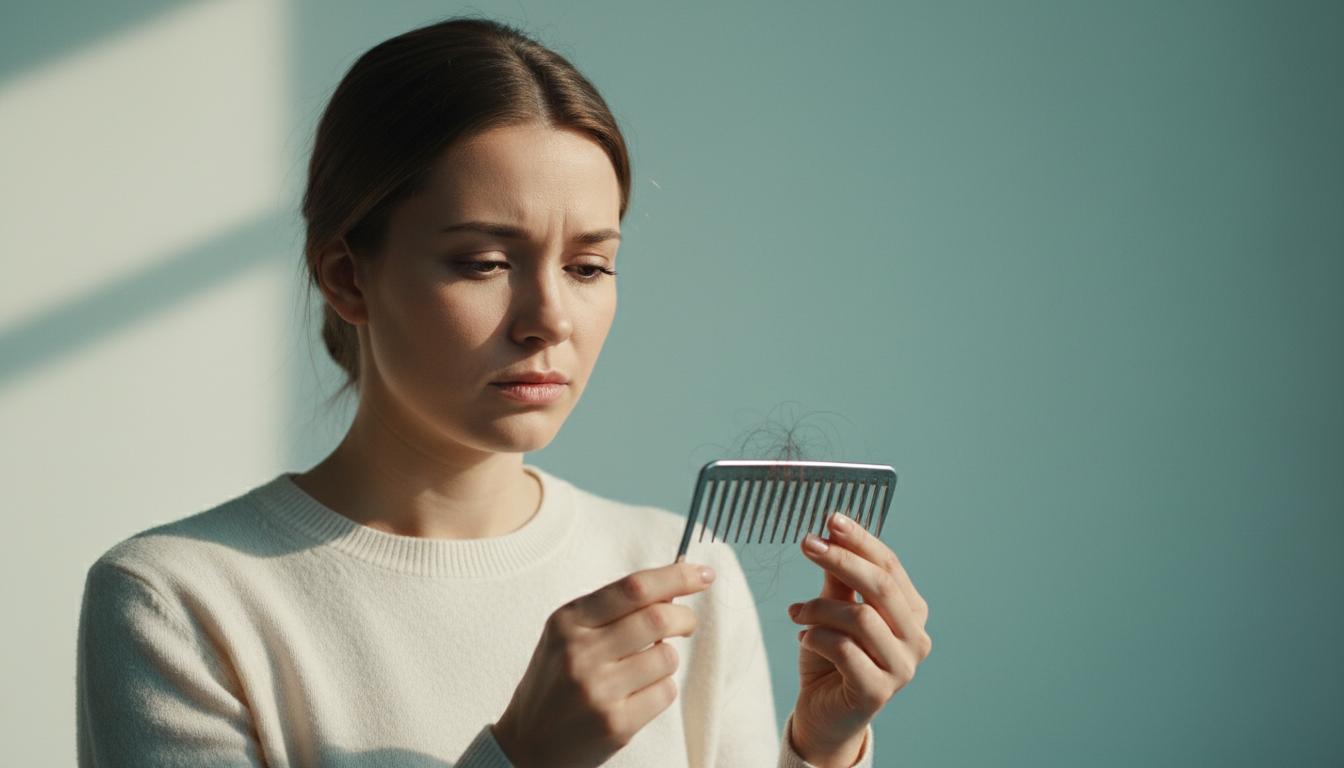
Do you wake up to find more strands of hair on your pillow than usual, or notice a widening part while brushing? Seeing excessive hair fall can be distressing and impact self-confidence. While shedding 50-100 hairs daily is considered normal, experiencing significantly more warrants attention. Let's explore the causes of hair loss and the effective treatments available to help manage this common condition.
Why Hair Loss Can Be Emotionally Impacting
Our hair is a significant part of our identity and appearance. We style, color, and cut it as a form of self-expression. When hair loss occurs suddenly or excessively, it can significantly affect how we feel about ourselves and even lead to social anxiety. For many, seeking treatment isn't just about restoring hair; it's about regaining confidence and addressing underlying health concerns that might be contributing to the problem.
The good news is that you are not alone in this experience. Hair loss affects people of all ages, genders, and backgrounds globally. With advancements in dermatology, numerous effective treatments exist to address various types of hair loss.
What Your Doctor Looks for Before Starting Treatment
When you consult a healthcare professional about hair loss, they won't immediately prescribe medication. The first crucial step is identifying the underlying cause. This involves several diagnostic steps:
- Physical Examination: A thorough examination of your scalp and the nature of your hair loss (pattern, density, texture).
- Medical History Review: Discussing your overall health, any existing medical conditions, medications you're taking, diet, stress levels, and lifestyle factors.
- Family History Assessment: Inquiring about a family history of hair loss or scalp conditions (like alopecia areata), as some types of hair loss have a genetic component.
- Diagnostic Tests (if necessary): Blood tests may be ordered to check for hormonal imbalances, nutritional deficiencies (like iron or zinc levels), or thyroid issues that could contribute to hair loss.
Based on this comprehensive evaluation, your doctor can determine the specific type and cause of your hair loss and recommend the most appropriate treatment plan.
Main Types of Hair Loss Treatments
Treatments for hair loss generally fall into three main categories:
- Addressing the underlying medical condition causing the hair loss.
- Using medications to stimulate hair growth or slow down hair loss.
- Employing specialized procedures and surgical options.
1. Treating the Underlying Cause
Often, hair loss is a symptom of another health issue. Addressing the root cause can sometimes resolve the hair loss naturally.
- Thyroid Problems: If an underactive or overactive thyroid gland is diagnosed, treating it with medication can help restore normal hair growth cycles.
- Nutritional Deficiencies: Correcting deficiencies in iron, zinc, biotin, or other essential nutrients through diet changes or supplements can improve hair health.
- Stress Management: Chronic stress can trigger temporary hair shedding (telogen effluvium). Techniques like mindfulness, exercise, and therapy can help manage stress levels.
- Hormonal Imbalances: Conditions like Polycystic Ovary Syndrome (PCOS) or hormonal changes during menopause can cause hair loss. Treating these imbalances may improve hair growth.
In many cases, successfully treating the underlying condition leads to a reduction or cessation of hair loss, and new hair growth may begin.
2. Medications for Hair Loss
Alongside addressing root causes, various medications can help manage hair loss, particularly genetic types like androgenetic alopecia (male/female pattern baldness). These include:
| Treatment Type | Description and Mechanism |
|---|---|
| Over-the-Counter (OTC) Products | Products containing ingredients like Biotin, Zinc, or Collagen are available in shampoos, lotions, or supplements. They aim to provide essential nutrients for hair health but may have limited efficacy for significant hair loss. |
| Minoxidil (Rogaine) | An FDA-approved topical solution or foam applied directly to the scalp. It works by stimulating hair follicles and prolonging the growth phase of hair. Effective for both men and women, it requires consistent application and can take several months to show results. Available without a prescription. |
| Finasteride (Propecia) | An oral medication primarily prescribed for men with male pattern baldness. It works by blocking the conversion of testosterone to dihydrotestosterone (DHT), a hormone that shrinks hair follicles. Requires a prescription and is generally not recommended for women due to potential side effects during pregnancy. |
| Corticosteroids | May be prescribed in topical, injected, or oral forms for certain types of hair loss caused by inflammation or autoimmune conditions (like alopecia areata). These help control the inflammatory process affecting the hair follicles. Requires a prescription and careful monitoring. |
3. Specialized Medical Procedures and Surgeries
When medications alone are insufficient or for specific types of hair loss, more advanced procedures may be considered:
- Hair Transplantation: A surgical procedure where small sections of scalp containing healthy hair follicles are taken from one part of the body (donor site) and transplanted to the thinning or bald areas. This provides a permanent solution for pattern baldness.
- Scalp Reduction Surgery: Involves removing portions of the scalp with non-hair-bearing skin to allow remaining hair-bearing skin to stretch and cover the bald area. Often used in conjunction with hair transplantation.
- Low-Level Laser Therapy (LLLT): Uses specific wavelengths of light delivered via devices like helmets or combs to stimulate hair follicle activity and promote growth. Requires multiple sessions over several months.
- Platelet-Rich Plasma (PRP) Therapy: Involves drawing the patient's blood, processing it to concentrate platelets, and injecting this platelet-rich plasma into the scalp. Growth factors in the platelets are believed to stimulate hair follicles.
- Scalp Micropigmentation (SMP): A non-surgical cosmetic procedure that uses tiny needles to deposit pigment into the scalp, creating the illusion of hair follicles or density. Often used for thinning hair or bald caps.
Can Hair Regrow Naturally Without Treatment?
Yes, sometimes hair loss is temporary and resolves on its own once the trigger is removed or managed.
- Postpartum Hair Loss: Hormonal shifts after childbirth often cause significant shedding, which typically normalizes within several months.
- Stress-Induced Shedding (Telogen Effluvium): Following a major physical or emotional stressor (illness, surgery, extreme weight loss), hair may shed excessively for a few months before returning to normal growth cycles.
- Nutritional Deficiencies: Correcting dietary imbalances can lead to natural hair regrowth.
However, it's essential to consult a doctor to rule out other causes and discuss potential treatments if the shedding is severe or prolonged.
Benefits and Risks of Hair Loss Treatments
The primary benefit of successful hair loss treatment is the restoration of your appearance and self-confidence. Addressing underlying health issues also contributes to overall well-being.
However, like any medical treatment, potential side effects or risks exist:
- Surgical procedures carry risks like infection, scarring, and discomfort.
- Topical treatments can cause scalp irritation or dryness.
- Oral medications may have systemic side effects (e.g., sexual dysfunction with Finasteride).
- Injectable treatments can be painful or cause bruising.
It's crucial to have an open discussion with your doctor about the potential benefits and risks of each treatment option before proceeding.
How Long Until Results Are Visible? When to See a Doctor?
Treating hair loss requires patience. It can take 3 to 6 months or longer to see noticeable results from most treatments, especially topical medications and lifestyle changes.
You should consult a doctor if:
- You experience sudden or severe hair loss.
- You have concerns about scalp pain, redness, or irritation after starting treatment.
- Your hair loss doesn't improve after several months of consistent treatment.
Key Takeaways:
- Hair loss is common and treatable; don't feel ashamed or overly distressed.
- Consult a qualified healthcare professional for an accurate diagnosis and personalized treatment plan. Avoid self-treating based solely on internet advice.
- Identifying and addressing the underlying cause of hair loss is crucial.
- Various treatments are available, ranging from medications to surgical procedures.
- Patience and consistency are key to achieving results.
Disclaimer: This article provides general information about this condition and should not replace the advice from your doctor. Always consult a healthcare professional.
Frequently Asked Questions (FAQs)
How long does it take to see results from hair loss treatment?
Results vary depending on the treatment, but most methods require patience. It typically takes 3-6 months or longer to notice significant improvement.
Is hair loss permanent?
Not always. Some types of hair loss are temporary and resolve on their own or with treatment, while others, like certain forms of pattern baldness, can be progressive and may require ongoing management.
What is the most effective treatment for hair loss?
The most effective treatment depends heavily on the specific cause of your hair loss. A doctor can diagnose the cause and recommend the best options, which might include medication, procedures like PRP or transplantation, or addressing underlying health issues.
Can stress cause hair loss?
Yes, significant physical or emotional stress can trigger a type of temporary hair shedding called telogen effluvium. Hair often regrows once the stressor is removed or managed.
Are there any natural remedies for hair loss?
While some people explore natural remedies, scientific evidence supporting their effectiveness is often limited. It's best to discuss any potential remedies with your doctor before trying them, especially if you are already undergoing medical treatment.
💬 අදහස් (0)
තවමත් කිසිදු අදහසක් පළ කර නොමැත. ඔබේ අදහස පළමු වරට මෙහි එක් කරන්න.
ඔබේ අදහස එක් කරන්න