
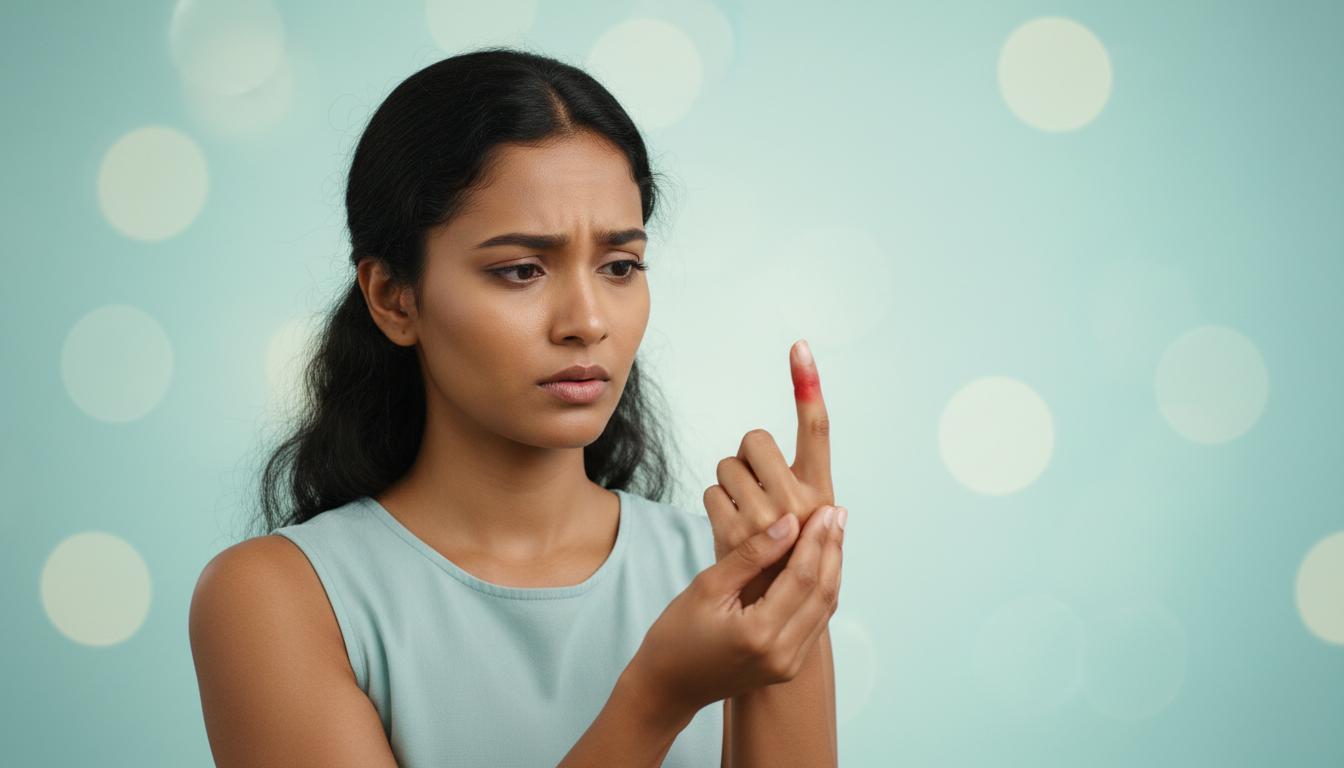
Ever had that sudden, sharp pain when a ball hits your finger during sports, or maybe you stumbled and landed hard on your hand? Perhaps your finger got caught in a door? In these moments, it's common for a finger to become stiff, swollen, and painful. This is often what we call a 'Jammed Finger,' medically known as a 'Sprained Finger.' While many casually refer to it as a 'jammed' or 'bent' finger, sometimes this injury can be more serious than initially thought. Let's dive deep into understanding exactly what happens when you jam your finger.
What Exactly is a Jammed Finger (Sprained Finger)?
Simply put, a jammed finger occurs when the soft tissues in your finger are damaged. Specifically, it involves stretching or tearing of the ligaments – the strong bands of tissue that connect bones to each other and stabilize your joints. Think of a rubber band: it can stretch normally, but if you pull it too hard or too far, it can strain or even snap. A similar mechanism happens with the ligaments in your finger when it's forcefully bent, hit, or twisted.
This type of injury can happen during sports activities, falls, or even everyday actions. While many minor jammed fingers can be managed at home, some cases require medical attention to ensure proper healing and prevent long-term complications.
Understanding the Severity: Grades of Finger Sprains
Yes, finger sprains are categorized based on their severity. A healthcare professional will assess your finger to determine the grade, which helps guide treatment decisions.
| Grade | Description |
|---|---|
| Grade 1 | Mild stretching or microscopic tearing of the ligaments. The joint is stable, meaning there's minimal movement beyond its normal range. |
| Grade 2 | Partial tearing of the ligament(s). The joint may show some instability, allowing for slightly excessive movement. |
| Grade 3 | Complete tear or rupture of the ligament(s). The joint is significantly unstable, and the finger bones can move excessively or dislocate easily. This is the most severe type of sprain. |
Jammed Finger vs. Broken Finger: What's the Difference?
It's easy to confuse a jammed finger with a broken finger, as symptoms can overlap. However, there's a key distinction:
- Jammed Finger (Sprain): Injury to the soft tissues (ligaments).
- Broken Finger (Fracture): Injury to the bone itself.
A broken finger requires immediate medical attention. The most crucial step is, if you suspect a fracture, seek medical advice promptly.
Important Note: If you are unsure whether your finger is jammed or broken, always err on the side of caution and consult a healthcare professional. A fracture needs specific treatment to heal correctly.
The table below highlights some common differences:
| Symptom | Jammed Finger (Sprain) | Broken Finger (Fracture) |
|---|---|---|
| Pain | Present, often manageable. | Often severe, potentially unbearable. |
| Movement | Difficult and painful, but some movement possible. | Very limited or impossible to move the finger. |
| Appearance | Swelling, but generally maintains normal shape. | May appear deformed, crooked, or bent at an unnatural angle. |
| Other Signs | Swelling, redness, tenderness. | Swelling, bruising (discoloration), numbness, tingling. |
Common Causes of a Jammed Finger
Numerous situations can lead to a jammed finger:
- Sports Injuries: Especially common in contact sports like basketball, football, volleyball, netball, and cricket when catching or blocking a ball.
- Falls: Landing on an outstretched hand during a fall is a frequent cause.
- Hyperextension: Bending the finger backward beyond its normal range.
- Getting Caught: Fingers getting slammed in doors, windows, or car doors.
- Workplace Accidents: Injuries sustained while using machinery or handling objects.
- Trauma: Such as a direct blow or impact during an accident.
Home Care: The RICE Method
If you suspect a mild jammed finger (Grade 1), without severe pain, significant swelling, or deformity, you can often manage it at home using the RICE method:
- R - Rest: Avoid activities that aggravate the injury. Give your finger and hand a break from strenuous tasks for several days.
- I - Ice: Apply an ice pack wrapped in a thin towel or cloth to the injured area for 15-20 minutes every few hours, especially during the first 24-48 hours. Never apply ice directly to the skin. This helps reduce pain and swelling.
- C - Compression: Gently wrap the finger with an elastic bandage (like an ACE bandage) to provide support and minimize swelling. Ensure it's snug but not too tight – you don't want to cut off circulation, which could cause numbness, tingling, or discoloration.
- E - Elevation: Keep your injured hand raised above the level of your heart as much as possible. Prop it up on pillows when sitting or lying down. This helps drain excess fluid and reduce swelling.
Over-the-counter pain relievers like acetaminophen (Tylenol) can help manage discomfort. Always follow dosage instructions and consult your doctor if you have underlying health conditions or are taking other medications.
When to Seek Medical Attention
Home care is suitable for minor sprains, but you should see a doctor immediately if you experience any of the following:
- Severe, unbearable pain.
- Pain or swelling that doesn't improve after 24-48 hours or worsens.
- Inability to move your finger.
- Visible deformity (the finger looks crooked or bent).
- Numbness, tingling, or color changes (pale, blue, or dark) in the finger.
- You heard a 'pop' or 'crack' sound at the time of injury (suggesting a possible fracture or severe ligament tear).
A doctor will examine your finger and may order an X-ray to rule out a fracture or other imaging like an MRI if needed. Based on the diagnosis, they will recommend appropriate treatment.
Medical Treatments for Jammed Fingers
Depending on the severity (grade) of the sprain, medical treatments may include:
- Buddy Taping: Taping the injured finger to an adjacent healthy finger for support.
- Splinting: Using a rigid splint or brace to immobilize the finger and allow ligaments to heal.
- Surgery: In cases of severe ligament tears (Grade 3) or associated fractures, surgery might be necessary to repair the damaged tissues or realign bones.
Recovery Time
Healing time varies depending on the severity of the injury:
- Grade 1 (Mild): Usually heals within 1-2 weeks.
- Grade 2 (Moderate): May take 3-6 weeks for significant improvement.
- Grade 3 (Severe): Can take 6 weeks or longer, sometimes requiring months for full recovery and regaining strength/mobility.
Following your doctor's instructions carefully and potentially engaging in physical therapy exercises can significantly speed up recovery and help restore full function to your finger.
Key Takeaways
- A jammed finger is a common injury involving ligament damage.
- Minor sprains can often be treated at home with the RICE method.
- Severe pain, deformity, inability to move the finger, or lack of improvement warrants immediate medical attention.
- Differentiating between a jam and a break is crucial; when in doubt, see a doctor.
- Proper treatment and rest are essential for preventing long-term issues like stiffness or chronic pain.
Disclaimer: This article provides general information about this condition and should not replace the advice from your doctor. Always consult a healthcare professional.
💬 අදහස් (0)
තවමත් කිසිදු අදහසක් පළ කර නොමැත. ඔබේ අදහස පළමු වරට මෙහි එක් කරන්න.
ඔබේ අදහස එක් කරන්න