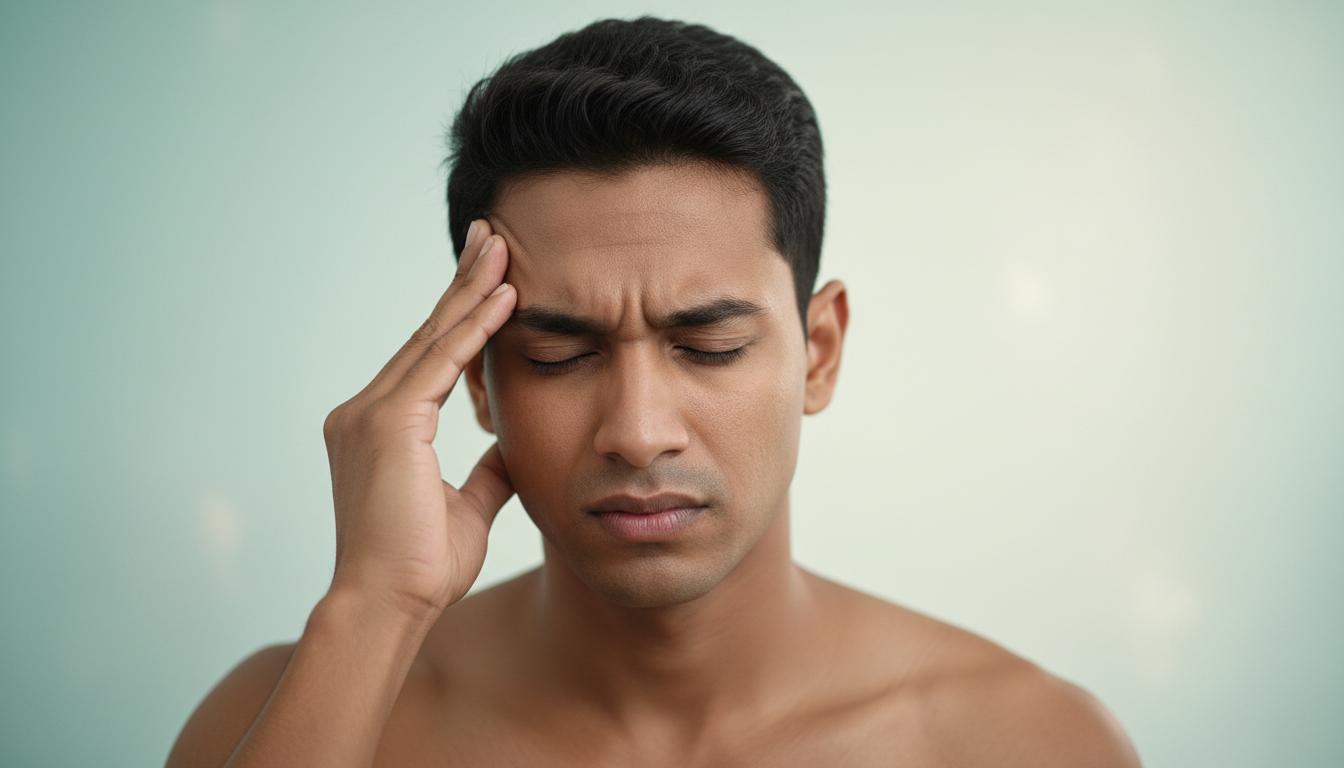
Do you ever get a headache shortly after having a cigarette, or perhaps late in the day if you haven't smoked? Maybe you're trying to quit smoking and are experiencing unbearable head pain. While many people might attribute these headaches to various factors, your tobacco use could be the real culprit. Today, we delve into 'nicotine headaches' – what they truly are, why they happen, and how you can find relief.
What Exactly is a Nicotine Headache?
Simply put, a nicotine headache is head pain triggered by nicotine use or experienced when the body withdraws from nicotine. Nicotine is the primary addictive chemical found in cigarettes, cigars, smokeless tobacco, e-cigarettes (often called 'vapes'), and other tobacco products.
However, there's a slight complexity here. Tobacco products contain far more than just nicotine; they include thousands of other chemicals. Therefore, it can sometimes be difficult to pinpoint whether your headache is solely due to nicotine, another chemical component, or a combination of factors. Furthermore, headaches have numerous potential causes, so before concluding it's definitively nicotine-related, let's explore this topic more deeply.
How Does a Nicotine Headache Feel? What are the Types?
The primary symptom of a nicotine headache is pain. However, this pain can manifest in different ways. Certain types of headaches have been specifically linked to nicotine use. Let's examine these:
Types of Headaches Associated with Nicotine
| Headache Type | Description and Characteristics |
|---|---|
| Cluster Headaches | These are severe headaches characterized by intense, sharp pain typically felt on one side of the head, often around or behind the eye. The pain can last from 30 minutes to 45 minutes and may occur multiple times a day (up to 8 times in some cases). |
| Migraines | Migraines typically involve moderate to severe throbbing or pulsating pain, often on one side of the head. Associated symptoms can include sensitivity to light and sound, nausea, and vomiting. While research on the link between smoking and migraines is ongoing, smoking can potentially trigger or worsen migraine attacks. |
| Tension Headaches | This is the most common type of headache. It often feels like a constant ache or pressure around the head, especially at the temples or back of the head and neck – sometimes described as a tight band around the head. Smoking is a known trigger for tension headaches. |
Why Does Nicotine Cause Headaches? What are the Mechanisms?
Headaches generally result from complex interactions between the brain, blood vessels, and surrounding nerves. Researchers believe nicotine impacts these processes in several ways:
Blood Vessel Constriction
Nicotine is a substance that causes vasoconstriction – it narrows blood vessels. Imagine the blood vessels supplying your brain becoming constricted, reducing blood flow and oxygen delivery. This can manifest as a headache.
Increased Nerve Sensitivity
If you're a long-term nicotine user, your nerves may become more sensitive to pain signals. This means that stimuli that wouldn't normally cause a headache might trigger one in someone accustomed to nicotine.
Nicotine Withdrawal
If you regularly smoke, your brain adapts to the presence of nicotine. When you go several hours without it, your nicotine levels drop, leading to withdrawal symptoms. This disruption in brain chemistry (changes in neurotransmitters) can trigger a headache. Headaches are a prominent symptom during the initial days and weeks of quitting smoking.
It's also crucial to remember that other toxic chemicals in cigarettes, like carbon monoxide, and the irritating smoke itself can contribute to or exacerbate headaches.
Can Nicotine Patches (or Other NRT) Cause Headaches?
Yes. Nicotine Replacement Therapy (NRT), such as patches, gum, or lozenges used to aid smoking cessation, can sometimes cause headaches. This might happen if the patch delivers too much nicotine, or conversely, not enough for your body's needs during withdrawal. If you experience severe headaches while using NRT, it's essential to discuss this with your doctor. They can help determine the appropriate dosage for you.
What Can Be Done About These Headaches, and When Should You See a Doctor?
If you suspect nicotine is causing your headaches, the most effective and permanent solution is to completely stop using all tobacco products. We understand this isn't easy, but it's the only guaranteed way to eliminate nicotine headaches long-term.
However, be aware that headaches might initially worsen during the first few weeks of quitting as your body goes through withdrawal. This is temporary. During this period, your doctor might suggest:
- Over-the-counter pain relievers: Medications like paracetamol (acetaminophen) or ibuprofen can provide relief. However, consulting a doctor before taking any medication is always best, as nicotine use can sometimes affect how these drugs work.
- Prescription medications: If you experience severe migraines, your doctor might prescribe specific treatments like triptans or CGRP inhibitors. Never take prescription medications without a doctor's guidance.
When visiting your doctor, they may ask questions about the onset, duration, and characteristics of your headaches, as well as details about your tobacco use (type of product, frequency, amount). Being honest about your habits is crucial for an accurate diagnosis and effective treatment plan.
The Best Way to Prevent Nicotine Headaches
As mentioned earlier, the best and only definitive way to prevent nicotine headaches is to abstain from all tobacco products. This offers benefits far beyond headache relief:
- Significantly reduces your risk of lung cancer, stroke, and heart disease.
- After five years smoke-free, your risk of stroke drops to that of a non-smoker.
- Reduces the risk of cancers of the mouth, throat, and bladder by half.
- After ten years smoke-free, your risk of dying from lung cancer is about half that of a person who is still smoking.
Quitting can be challenging, but you don't have to do it alone. If you need help, seek support from your doctor or utilize resources available for smoking cessation. They can provide guidance, medication, and support tailored to your needs.
Key Takeaways
- Nicotine use (smoking, vaping) and nicotine withdrawal can both trigger headaches.
- The most effective way to eliminate nicotine headaches permanently is to stop using all tobacco products.
- Headaches may temporarily worsen during the initial stages of quitting due to withdrawal but will subside over time.
- If your headaches are severe or you need help quitting smoking, consult a healthcare professional.
- Use pain relievers cautiously and preferably under medical guidance.
Disclaimer: This article provides general information about this condition and should not replace the advice from your doctor. Always consult a healthcare professional.
Frequently Asked Questions (FAQs)
What causes nicotine headaches?
Nicotine headaches can be caused by nicotine use itself (due to blood vessel constriction or increased nerve sensitivity) or by nicotine withdrawal when you stop using tobacco products.
Are nicotine headaches serious?
While often uncomfortable, nicotine headaches themselves aren't typically dangerous. However, they are a sign of nicotine dependence and can be severe, especially during withdrawal. Persistent or severe headaches should always be evaluated by a doctor.
Will nicotine headaches go away if I quit smoking?
Yes, nicotine headaches associated with withdrawal are temporary. They usually peak within the first few days or weeks of quitting and gradually disappear as your body adjusts to being nicotine-free.
Can vaping cause headaches?
Yes, vaping (using e-cigarettes) delivers nicotine and other chemicals that can trigger headaches, similar to traditional smoking. Headaches can occur from regular use or withdrawal if you stop vaping.
What can I do to relieve a nicotine headache?
Over-the-counter pain relievers like paracetamol or ibuprofen may help. Staying hydrated and resting in a dark, quiet room can also provide relief. The most effective long-term solution is quitting tobacco use.
💬 අදහස් (0)
තවමත් කිසිදු අදහසක් පළ කර නොමැත. ඔබේ අදහස පළමු වරට මෙහි එක් කරන්න.
ඔබේ අදහස එක් කරන්න