
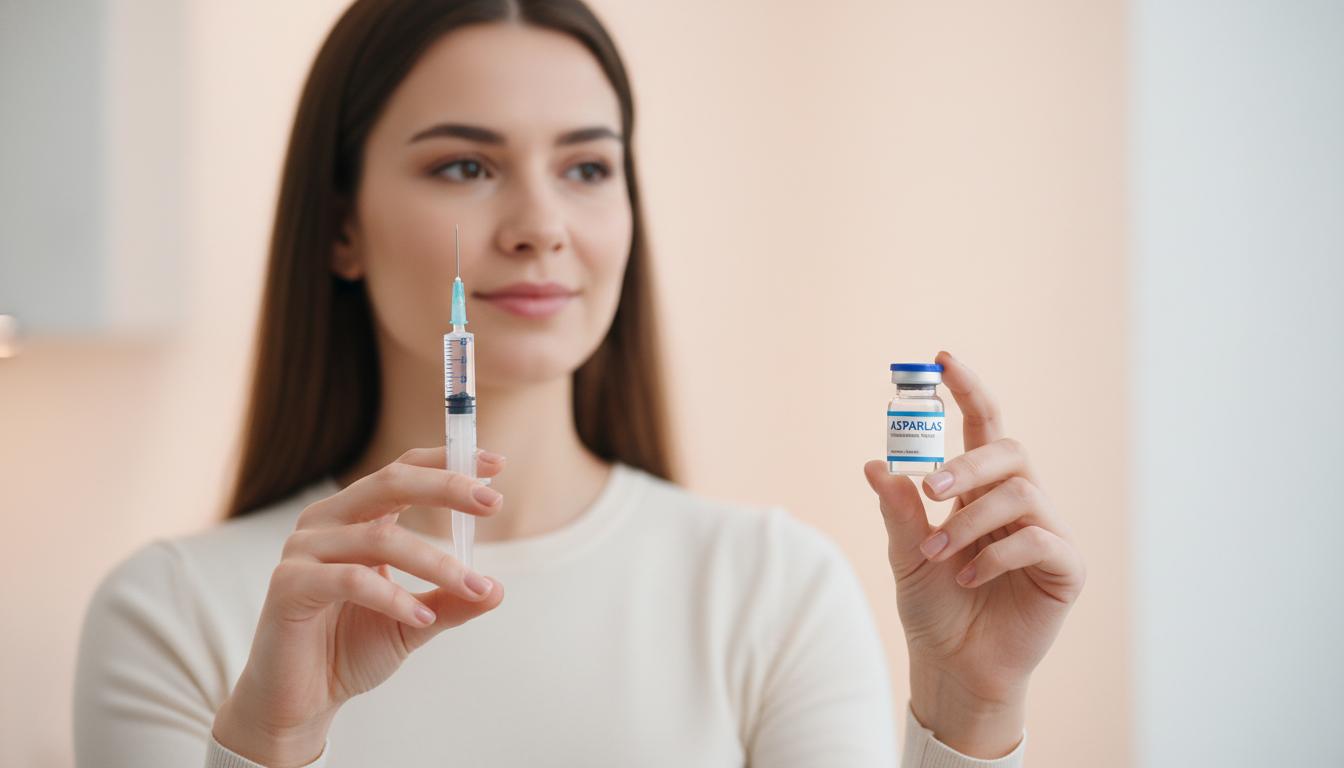
Receiving a diagnosis like Leukemia for yourself or a loved one can bring a wave of questions and perhaps some apprehension about the treatments involved. It's completely natural to want to understand every aspect of your care. Today, we'll delve into a specific medication that plays a crucial role in fighting this condition: Calaspargase Pegol. You might know it by its brand name, ASPARLAS. Let's explore what this drug is, how it works, and the important things you need to know while undergoing this therapy.
What is Calaspargase Pegol (Asparlas)?
In simple terms, Calaspargase Pegol is a medication administered intravenously (through an IV) used as part of the treatment plan for certain types of Leukemia. Its primary function is to hinder or stop the growth of cancer cells.
Think of it this way: unlike normal cells, some cancer cells, particularly leukemia cells, cannot produce a specific nutrient they need to survive on their own. They must obtain an essential amino acid called Asparagine from outside sources in the body. Calaspargase Pegol works by breaking down the Asparagine present in your bloodstream, effectively starving the leukemia cells of this vital nutrient. It’s like blocking the supply route for their 'food'.
Without this essential amino acid, leukemia cells struggle to grow and eventually die off. This is how the medication actively combats the disease. While primarily used for leukemia, it might be employed in other medical situations as well. Always discuss any specific uses or concerns with your doctor.
Important Information Before Starting Treatment
Before beginning Calaspargase Pegol therapy, it is extremely important to provide your healthcare team with a complete and accurate medical history. Certain pre-existing conditions can interact negatively with this medication. Be sure to inform your doctor if you have any of the following:
- Bleeding Disorders: This medication can increase the risk of bleeding. Your medical team needs to be aware if you already have a condition that affects blood clotting.
- Diabetes or Blood Sugar Issues: Calaspargase Pegol can raise blood sugar levels. If you have diabetes, adjustments to your management plan may be necessary.
- History of Blood Clots: The medication might increase the risk of developing blood clots, so informing your doctor is crucial.
- History of Pancreatitis: There's a small risk this drug could trigger pancreatitis. Disclosing any past occurrences is essential.
- Liver Disease: Since the liver processes medications, existing liver conditions might affect dosage or require closer monitoring.
- Allergies: Inform your doctor about any known allergies to Calaspargase Pegol, other drugs, foods, dyes, or preservatives.
- Pregnancy or Trying to Conceive: This is critical. This medication can cause serious harm to a developing fetus. We will discuss this in more detail later.
- Breastfeeding: The drug may pass into breast milk, making breastfeeding unsafe during and for some time after treatment.
How is Calaspargase Pegol Administered?
This medication is not taken orally at home. It is administered as an intravenous (IV) injection, meaning it's given directly into a vein. This procedure is performed by your healthcare team (doctors, nurses) in a hospital or clinic setting where they can closely monitor you.
It’s vital to adhere strictly to the scheduled treatment days. If you cannot make an appointment for any reason, contact your medical team immediately to reschedule.
Use in Children
Yes, Calaspargase Pegol can be prescribed for young children (sometimes as young as one month old) with specific conditions. However, special precautions are taken during treatment for pediatric patients. Your child's doctor will provide detailed explanations regarding their specific care plan.
What if Too Much Medication is Given?
Since the drug is administered in a controlled medical setting, accidental overdose is highly unlikely. However, if you suspect an excessive dose or experience unusual symptoms, immediately notify the hospital's Emergency Treatment Unit (ETU) or contact the National Poisons Information Centre for guidance.
Drug Interactions
Other substances can interfere with Calaspargase Pegol. It's particularly important to mention medications containing estrogen or progestin, which are commonly found in birth control pills, as they can interact with this drug.
This is not an exhaustive list. Provide your doctor with a complete list of everything you take, including prescription drugs, over-the-counter medications, vitamins, herbal products, and supplements. Also, inform them about alcohol consumption, smoking, or recreational drug use.
Important Considerations During Treatment
Your healthcare team will closely monitor your progress throughout the treatment period.
- Regular Medical Monitoring: Frequent blood tests will be necessary to check your body's response and the drug's effectiveness.
- Blood Sugar Levels: As mentioned, monitoring blood sugar is crucial, especially for diabetic patients. Discuss management strategies with your doctor.
- Allergic Reactions (Infusion Reactions): Severe allergic reactions can occur during infusion. To minimize this risk, you might receive other medications (like antihistamines) before the Calaspargase Pegol infusion. Follow all instructions carefully.
Critical Information: Pregnancy and Breastfeeding
This section cannot be overstated.
- Avoid Pregnancy: You must avoid becoming pregnant during treatment and for at least three months after the final dose. This drug can cause severe birth defects.
- Pregnancy Test: A pregnancy test will likely be required before starting treatment to confirm you are not pregnant.
- Effective Birth Control: Hormonal birth control (like pills) may not be effective while on Calaspargase Pegol. Discuss reliable alternative contraceptive methods with your doctor.
- Do Not Breastfeed: Avoid breastfeeding during treatment and for at least three months after the last dose.
Potential Side Effects
Like all medications, Calaspargase Pegol can cause side effects, though not everyone experiences them. It's important to be aware of potential issues and report any unusual symptoms to your doctor promptly.
| Side Effect | Action Needed |
|---|---|
| Severe Allergic Reaction or Angioedema | Notify your team immediately if you experience rash, itching, swelling of the face/eyes/lips/tongue, difficulty swallowing or breathing. |
| Abnormal Bleeding | Report black tarry stools, vomiting blood (like coffee grounds), red/brown urine, easy bruising, prolonged bleeding from cuts. |
| Blood Clot | Seek immediate attention for leg pain/swelling/warmth, shortness of breath, chest pain. |
| Infusion Reaction | Inform your team if you feel chest pain, difficulty breathing, dizziness, or faintness during infusion. |
| Liver Injury | Report right upper abdominal pain, loss of appetite, nausea, pale stools, dark urine, yellowing skin/eyes (jaundice), unusual fatigue. |
| Pancreatitis | Seek immediate attention for severe upper abdominal pain (may radiate to the back), worsening after eating, fever, nausea, vomiting. |
| Diarrhea | Inform your doctor if it is persistent or severe. |
This list may not include all possible side effects. If you experience any other unusual symptoms, don't hesitate to discuss them with your healthcare provider.
Storage
You will not need to store this medication at home as it is administered in a medical facility under controlled conditions.
Key Takeaways
- Calaspargase Pegol (Asparlas) is a potent medication used to treat certain types of leukemia.
- Disclosing your full medical history and all medications/supplements you take before starting treatment is essential.
- Be vigilant for serious side effects like allergic reactions, bleeding, clotting, or severe abdominal pain, and report them immediately.
- Strictly avoid pregnancy during treatment and for three months afterward; use effective contraception and do not breastfeed during this period.
- Your medical team is there to support you. Ask questions and voice concerns openly.
Disclaimer: This article provides general information about this condition and should not replace the advice from your doctor. Always consult a healthcare professional.
💬 අදහස් (0)
තවමත් කිසිදු අදහසක් පළ කර නොමැත. ඔබේ අදහස පළමු වරට මෙහි එක් කරන්න.
ඔබේ අදහස එක් කරන්න