
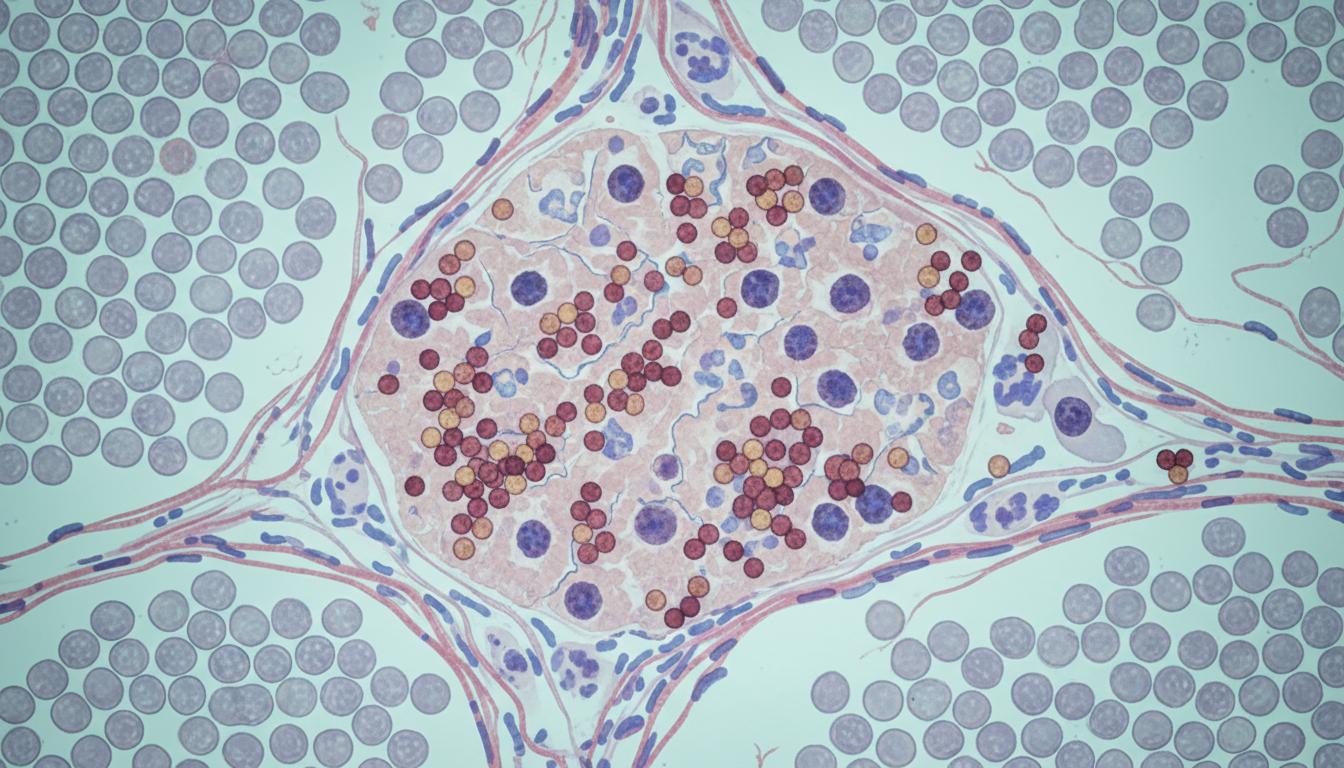
Facing a cancer diagnosis, whether for you or a loved one, can evoke feelings of fear and uncertainty that are difficult to put into words. However, advancements in medical science have led to remarkable treatment options designed to target cancer cells specifically while minimizing harm to the rest of the body. One such highly successful approach, particularly for liver cancer, is TACE (Transarterial Chemoembolization). Let's explore this procedure in a clear and understandable way.
What Exactly is TACE Treatment?
TACE stands for Transarterial Chemoembolization. While the name might sound complex, the concept is straightforward. Imagine a cancerous tumor as a hub where unwanted cells gather and demand resources – specifically, blood supply to survive and grow. The TACE procedure precisely targets this hub.
During TACE, doctors locate the main artery supplying blood to the liver tumor. Through a tiny catheter inserted into this artery, they deliver a potent dose of chemotherapy drugs directly into the tumor itself. Following this, they introduce tiny particles (an embolic agent) to block the artery, effectively cutting off the tumor's blood supply.
This dual action achieves two crucial goals:
- Direct Chemotherapy Delivery: The cancer-killing drugs reach the tumor cells directly and in high concentrations.
- Blood Supply Blockage: Deprived of its blood source, the tumor loses access to vital oxygen and nutrients, causing it to shrink and eventually die.
How Does TACE Differ from Standard Chemotherapy?
TACE offers significant advantages over traditional systemic chemotherapy, where drugs circulate throughout the entire body.
| Feature | TACE (Transarterial Chemoembolization) | Standard Systemic Chemotherapy |
|---|---|---|
| Drug Delivery Method | Chemotherapy delivered directly into the tumor artery. | Chemotherapy circulates throughout the bloodstream, reaching the entire body. |
| Drug Concentration | High concentration of drugs targeted specifically at the tumor. | Lower concentrations distributed throughout the body. |
| Side Effects | Significantly fewer systemic side effects like hair loss or severe nausea, as the drug exposure is localized. | More widespread side effects affecting the whole body, such as hair loss, nausea, vomiting, and fatigue. |
Who is a Candidate for TACE?
TACE is primarily used to treat hepatocellular carcinoma (HCC), the most common type of primary liver cancer. It's often the first-line treatment for patients with tumors that are too large or in locations where surgical removal isn't feasible.
Additionally, TACE can be employed for certain types of cancers that have metastasized (spread) to the liver from other parts of the body. These include:
- Breast cancer
- Colorectal cancer
- Neuroendocrine tumors
- Sarcoma
- Ocular melanoma (melanoma that has spread to the eye and then liver)
Does TACE Harm the Healthy Liver?
This is a common concern, but the liver's unique blood supply structure minimizes this risk. The liver receives blood from two main sources:
- Hepatic Artery: Supplies a small percentage of the liver's total blood flow, but crucially, it provides almost all the blood needed by most liver tumors.
- Portal Vein: Provides the majority of the blood flow to the healthy liver tissue.
During TACE, only the hepatic artery feeding the tumor is blocked. The healthy parts of the liver continue to receive their necessary blood supply from the portal vein, preserving overall liver function.
In essence, TACE selectively targets the tumor's 'food source' while ensuring the healthy liver tissue continues to thrive.
Are There Patients Unsuitable for TACE?
TACE is not suitable for everyone. A thorough evaluation by a medical team is essential to determine candidacy. Generally, individuals with the following conditions may not be good candidates:
- Blocked bile ducts
- Significant bleeding disorders or blood clotting issues
- Severe kidney disease
- Widespread cancer metastasis beyond the liver
- Certain severe liver conditions (like hepatic encephalopathy, portal vein thrombosis)
- Severe allergic reactions to contrast dyes used during the procedure
The TACE Procedure: Step-by-Step
TACE is typically performed by an Interventional Radiologist – a doctor specialized in minimally invasive image-guided procedures.
Before the Procedure
Your doctor will order tests to plan the procedure, including:
- CT scan or MRI scan of the liver
- Blood tests to assess kidney function and clotting ability
You may receive medications beforehand to prevent infection (antibiotics), manage nausea, and protect your kidneys from potential effects of the chemotherapy drugs.
During the Procedure
This is not major surgery. The process usually involves:
- Sedation/Anesthesia: Children typically receive general anesthesia (fully asleep). Adults often receive sedation to induce relaxation and drowsiness.
- Access Point: A small incision is made, usually in the groin or wrist, to access an artery.
- Catheter Insertion: A thin tube called a catheter is inserted into the artery.
- Guidance: Using imaging guidance (like fluoroscopy, a type of X-ray), the radiologist carefully guides the catheter through the blood vessels to the artery supplying the liver tumor.
- Contrast Injection: A contrast dye is injected through the catheter to clearly visualize the tumor and its feeding blood vessels on the imaging screen.
- Treatment Delivery: Once the target vessel is precisely identified, the radiologist injects a mixture of chemotherapy drugs and an embolic agent (particles) to block the artery.
- Catheter Removal: The catheter is removed, and pressure or a small bandage is applied to the incision site. No stitches are usually needed.
Benefits and Risks of TACE
Like any medical treatment, TACE has both advantages and potential risks.
| Benefits | Risks & Side Effects |
|---|---|
| High success rate in controlling tumor growth or shrinking tumors (around 70% of patients). | Risk of infection (though low). |
| Preserves healthy liver function. | Potential kidney damage, especially in those with pre-existing kidney issues or diabetes. |
| Faster recovery compared to major surgery or systemic chemotherapy. | Rare risk of liver damage if the embolic agent blocks blood flow to healthy tissue. |
| Fewer systemic side effects due to localized drug delivery. | Postembolization Syndrome: Common, temporary symptoms like fever, nausea, vomiting, and abdominal pain after the procedure. |
After TACE: Recovery and Follow-Up
Following the procedure, many patients experience temporary side effects known as postembolization syndrome, including fever, nausea, vomiting, and abdominal pain. This is generally expected and manageable with medication. You may need to stay in the hospital for a day or two until these symptoms subside.
At home, rest is important. Take prescribed medications for pain and nausea as directed. Fatigue and loss of appetite can persist for several weeks but gradually improve. Regular follow-up appointments and imaging scans are crucial to monitor the tumor's response to treatment and check for recurrence.
When to Seek Immediate Medical Attention
While postembolization syndrome is common, contact your doctor immediately or seek emergency care if you experience any of the following after TACE:
- Persistent vomiting or inability to control nausea
- Severe abdominal pain
- Confusion or altered mental state
- High fever that doesn't respond to medication
- Yellowing of the skin or eyes (jaundice) – could indicate liver issues.
Key Takeaways
- TACE is a targeted treatment for liver cancer, delivering chemotherapy directly to tumors and blocking their blood supply.
- It offers high effectiveness with significantly fewer systemic side effects compared to traditional chemotherapy.
- The procedure is minimally invasive, performed via a catheter inserted through a small incision.
- Temporary side effects like fever and nausea are common after TACE but usually resolve quickly.
- Determining if TACE is the right option requires careful evaluation by your healthcare team. Open communication with your doctor is essential.
Disclaimer: This article provides general information about this condition and should not replace the advice from your doctor. Always consult a healthcare professional.
Frequently Asked Questions (FAQs)
How long does the TACE procedure take?
The TACE procedure itself typically takes about 1 to 3 hours, but you may need to stay in the hospital for observation for a day or two afterward.
What are the common side effects after TACE?
Common side effects include fever, nausea, vomiting, abdominal pain, and fatigue. These symptoms usually occur within the first few days and gradually improve over a week or two. They are collectively known as postembolization syndrome.
Is TACE a cure for liver cancer?
TACE is often very effective in controlling liver cancer, shrinking tumors, and extending life expectancy. While it may not always be a complete cure, especially for advanced stages, it can significantly improve outcomes and quality of life for many patients.
How many TACE treatments might I need?
The number of TACE treatments varies depending on the individual's response, tumor size, liver function, and overall health. Some people may only need one or two sessions, while others may require multiple treatments over several months or years.
Can I return to my normal activities after TACE?
Most patients can resume light activities within a few days, but strenuous activity should be avoided for about a week. Your doctor will provide specific guidance based on your recovery and overall health.
💬 අදහස් (0)
තවමත් කිසිදු අදහසක් පළ කර නොමැත. ඔබේ අදහස පළමු වරට මෙහි එක් කරන්න.
ඔබේ අදහස එක් කරන්න