
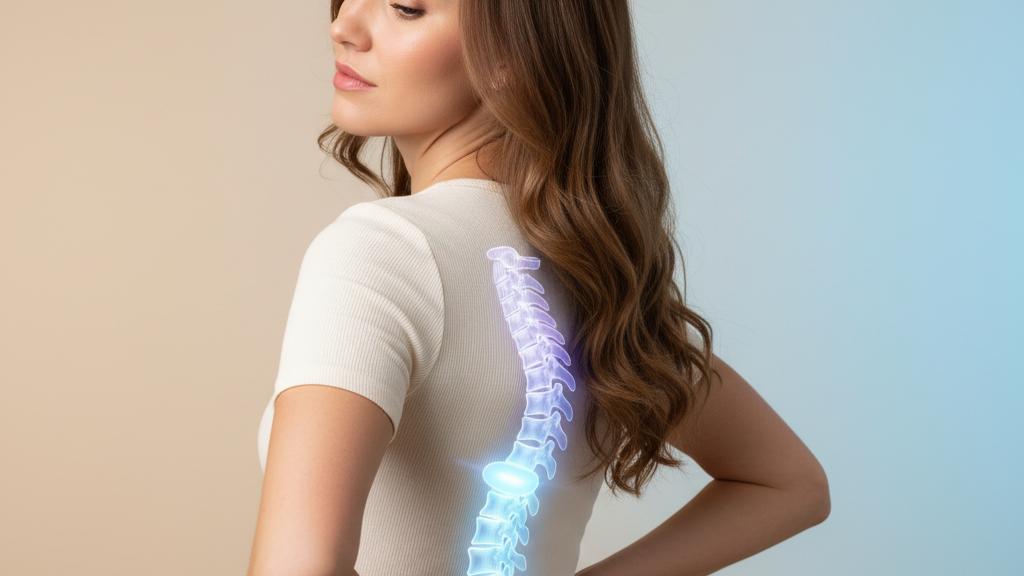
Do you ever wake up feeling stiff and sore in your back, like it's locked in place? Does a sharp pain shoot down your spine when you get up after sitting for a while? Or perhaps turning your head or bending over feels difficult and painful? Many of us dismiss these aches as normal signs of aging. While it's true that our bodies change as we age, these pains might stem from an underlying medical condition known as Degenerative Disk Disease.
What Exactly is Degenerative Disk Disease (DDD)?
Despite the word "disease" in its name, DDD isn't actually a disease. It's a natural process that occurs over time, where the spinal disks – the cushions between your vertebrae (spinal bones) – begin to wear down. Think of your spine as a stack of small bones called vertebrae. Between these bones are shock-absorbing pads known as spinal disks.
These disks act like tiny shock absorbers in a car, cushioning the vertebrae and protecting the spinal cord during movements like running, jumping, bending, and lifting. As we age, these disks naturally lose hydration and become thinner and less flexible. This happens to almost everyone to some degree. The problem arises when this wear and tear becomes significant enough to cause pain or other symptoms.
When the cushion wears down, the vertebrae can start to rub against each other, leading to inflammation and pain. In some cases, DDD can also contribute to other spinal problems:
Potential Complications Associated with DDD
- Adult Scoliosis: The spine may develop an abnormal curve.
- Herniated Disk: The soft inner part of the disk pushes through the tougher outer layer, potentially pressing on nerves.
- Spinal Stenosis: Narrowing of the spinal canal, putting pressure on the spinal cord or nerves.
- Spondylolisthesis: One vertebra slips forward over another.
Where Does DDD Most Commonly Affect the Spine?
DDD most frequently affects two main areas of the spine:
Lumbar Degenerative Disk Disease (Lower Back)
The lower back (lumbar spine), specifically the vertebrae from L1 to L5, bears the majority of your body's weight. Consequently, this area is highly susceptible to disk degeneration. In fact, around 90% of DDD cases occur in the lumbar region. Symptoms can include persistent lower back pain, often radiating into the buttocks and legs (sciatica).
Cervical Degenerative Disk Disease (Neck)
Degeneration in the disks between the seven vertebrae of the neck (cervical spine) is also common. This can cause neck pain, stiffness, and sometimes pain, numbness, or tingling that radiates down the arms.
Multilevel Degenerative Disk Disease
It's possible for more than one disk to degenerate simultaneously, affecting both the cervical and lumbar regions. This is referred to as multilevel DDD.
It’s important to note that while most people over 40 show some signs of disk degeneration on imaging scans, not everyone experiences pain or symptoms. Pain typically develops only in a small percentage of individuals with DDD.
What are the Symptoms of DDD?
The primary and most common symptom is pain, usually felt in the lower back or neck. The nature of this pain can vary significantly from person to person:
- Pain may be intermittent, flaring up and subsiding over weeks or months.
- Pain can radiate from the lower back into the buttocks and down one or both legs.
- Pain often worsens with activities like sitting for long periods, bending forward, lifting, or twisting.
- Conversely, pain may improve with walking or lying down in certain positions.
The sensation of the pain can also differ:
| Characteristic | Description |
|---|---|
| Location | Can occur in the neck or lower back. |
| Intensity | Ranges from mild to severe. |
| Sensation | May feel sharp, aching, burning, or like stiffness. |
| Timing | Can be constant or come and go. |
| Triggers | Often aggravated by certain movements or prolonged positions (e.g., bending, lifting). |
| Progression | May gradually worsen over time. |
What Causes Disk Degeneration?
As mentioned earlier, the primary cause is aging. Here’s a closer look at what happens to the disks as we get older:
- Disks Dry Out: Spinal disks are composed of a tough outer layer and a soft, gel-like inner core that's rich in water. With age, the water content decreases, causing the disk to shrink, lose height, and become less effective as a shock absorber.
- Cracks and Tears Develop: Daily wear and tear, minor injuries, or improper lifting can cause small tears or cracks in the outer layer of the disk. These fissures can be painful, especially if they occur near nerve endings. In some cases, a significant tear can allow the inner gel to bulge or leak out (herniation), potentially irritating nearby nerves.
Risk Factors for DDD
While aging is the main factor, certain conditions can accelerate disk degeneration or increase the risk of experiencing symptoms:
- Trauma: Injuries from falls or accidents can damage disks.
- Obesity: Excess weight puts extra stress on the spine and disks.
- Gender: Women tend to be slightly more prone to DDD than men.
- Smoking: Nicotine restricts blood flow, potentially hindering nutrient delivery to the disks and accelerating degeneration.
- Occupation: Physically demanding jobs involving heavy lifting or repetitive bending/twisting increase the risk.
How is DDD Diagnosed?
When you consult a doctor about back or neck pain, they will typically start with a thorough medical history and physical examination. They’ll ask detailed questions about your symptoms, including:
- When the pain started.
- The exact location of the pain.
- Activities that worsen or relieve the pain.
- Any previous injuries.
- Other associated symptoms like numbness, tingling, or weakness.
During the physical exam, the doctor will assess your reflexes, muscle strength, and range of motion, checking for areas of tenderness.
To confirm the diagnosis and visualize the disks, imaging tests are often necessary:
- X-rays: Can show bone spurs, disk space narrowing, and alignment issues.
- CT Scans: Provide more detailed images of bones and can sometimes show soft tissues like disks.
- MRI (Magnetic Resonance Imaging): Offers the best visualization of soft tissues, including spinal disks, nerves, and ligaments, clearly showing herniations or other abnormalities.
Treatment Options for DDD
Many people assume that back pain requires surgery, but this is often not the case. Most individuals with DDD can find relief through non-surgical methods:
Non-Surgical Treatments
- Physical Therapy: A cornerstone of treatment, involving exercises to strengthen core muscles (back and abdomen), improve flexibility, and correct posture.
- Medications: Over-the-counter pain relievers (NSAIDs like ibuprofen or naproxen, acetaminophen) can manage mild to moderate pain. Prescription medications, including muscle relaxants, nerve pain drugs, or sometimes short-term opioids, may be used for more severe pain under medical supervision.
- Steroid Injections: Epidural steroid injections deliver anti-inflammatory medication directly near the affected nerves or disks to reduce inflammation and pain.
- Radiofrequency Ablation (RFA): This procedure uses heat generated by radio waves to disrupt nerve signals that cause chronic pain.
Self-Care Measures
- Exercise: Low-impact activities like swimming, walking, or cycling can strengthen muscles and improve endurance without stressing the spine excessively.
- Heat/Cold Therapy: Applying heat packs or ice packs to the painful area for 15-20 minutes at a time can provide temporary relief.
- Stretching: Gentle stretching exercises, like those found in yoga or tai chi, can improve flexibility and reduce stiffness.
Surgery
Surgical intervention is typically reserved for cases where non-surgical treatments fail to provide adequate relief, or when there are significant neurological symptoms (like progressive weakness or loss of bowel/bladder control). Common surgical options include:
- Discectomy: Removal of the damaged portion of a herniated disk.
- Laminectomy: Removal of part of the vertebral bone (lamina) to create more space for nerves.
- Spinal Fusion: Joining two or more vertebrae together using bone grafts and hardware to stabilize the spine and eliminate motion at that segment.
Preventing Worsening of DDD
While you can't completely stop the aging process, you can take steps to slow down disk degeneration and manage symptoms:
- Maintain a healthy weight to reduce stress on your spine.
- Quit smoking.
- Engage in regular, appropriate exercise focusing on core strength.
- Practice good posture when sitting, standing, and lifting.
- Use proper lifting techniques (bend at the knees, keep back straight).
- Avoid prolonged static postures; take breaks to move around.
Disclaimer: This article provides general information about this condition and should not replace the advice from your doctor. Always consult a healthcare professional.
💬 අදහස් (0)
තවමත් කිසිදු අදහසක් පළ කර නොමැත. ඔබේ අදහස පළමු වරට මෙහි එක් කරන්න.
ඔබේ අදහස එක් කරන්න