
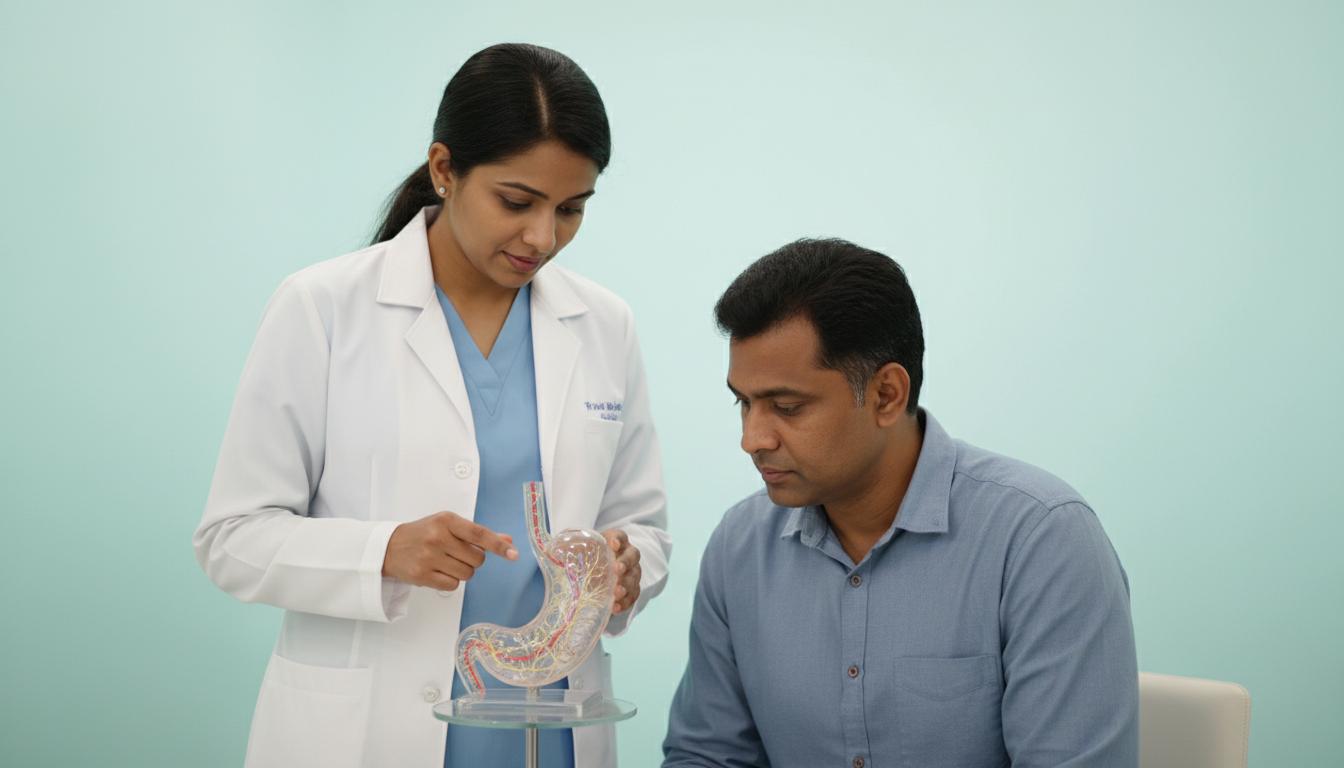
Are you battling a persistent, frustrating case of gastritis or peptic ulcer disease that just won't heal, despite trying various medications? It's a common struggle, leaving many feeling hopeless. But what if there was a targeted solution for those truly difficult cases? Today, we delve into a specialized surgical procedure called Vagotomy – a potentially life-changing intervention recommended by doctors when conventional treatments fall short. You might not have heard of it, but understanding this approach could be crucial for your health journey.
What Exactly is Vagotomy?
Think of a vital communication line between your brain and your digestive system. This 'line' is the Vagus Nerve, a complex network of nerves that plays a critical role in regulating various bodily functions, including digestion. Specifically, the Vagus nerve sends signals to your stomach telling it when to produce acid – essential for breaking down food. When you eat, your brain sends these instructions via the Vagus nerve.
In some individuals, the stomach produces excessive amounts of acid. This overproduction can lead to irritation and inflammation, eventually causing painful ulcers in the stomach lining – ulcers that stubbornly refuse to heal with medication alone. This is where Vagotomy comes into play.
During a Vagotomy procedure, surgeons selectively cut or block specific branches of the Vagus nerve responsible for stimulating acid production in the stomach. It's like interrupting the 'acid-producing' message from the brain to the stomach. By reducing these signals, the stomach produces less acid. This decrease in acidity allows existing ulcers to heal and significantly reduces the likelihood of new ones forming. It’s a powerful way to regain control over stomach acid levels.
It's important to emphasize that Vagotomy is not a first-line treatment for typical gastritis or uncomplicated ulcers. It's generally reserved as a definitive solution for severe, complicated peptic ulcer disease that hasn't responded adequately to medical therapy.
Main Types of Vagotomy Surgery
The Vagus nerve is intricate, branching out like a tree trunk with numerous smaller branches. The specific part of the nerve targeted during surgery determines the type of Vagotomy performed and its potential effects.
| Surgical Type | Simplified Explanation |
|---|---|
| Truncal Vagotomy | In this procedure, the main trunk of the Vagus nerve is cut. This significantly reduces acid production throughout the digestive system, affecting not just the stomach but also potentially impacting the liver, gallbladder, pancreas, and intestines. While highly effective at reducing acid, it carries a higher risk of side effects related to digestion and nutrient absorption. |
| Highly Selective Vagotomy (HSV) | This is a more precise approach where only the specific nerve branches supplying the acid-producing cells (parietal cells) in the stomach are cut, leaving the main trunk and other branches intact. This minimizes interference with other digestive functions, resulting in fewer side effects compared to Truncal Vagotomy. However, HSV requires greater surgical skill and precision. |
When is Vagotomy Considered?
Most peptic ulcers can be successfully treated with medication. However, certain severe or complicated situations may necessitate considering Vagotomy:
- Uncontrollable Bleeding Ulcers: If an ulcer causes persistent bleeding that cannot be stopped through endoscopic procedures, surgery might be required to address the source and prevent recurrence.
- Perforated Ulcers: This is a medical emergency where an ulcer erodes completely through the stomach wall, causing leakage of acid and contents into the abdominal cavity, leading to severe infection (peritonitis). Emergency surgery is needed to repair the perforation, often combined with Vagotomy.
- Gastric Outlet Obstruction: Chronic ulcers can lead to scarring that narrows or blocks the passage from the stomach to the small intestine (pylorus), preventing food from emptying properly. This causes severe vomiting and malnutrition, requiring surgical intervention to relieve the blockage, potentially including Vagotomy.
Other Procedures Often Performed with Vagotomy
Vagotomy is frequently combined with other surgical procedures to address the underlying ulcer or its complications:
- Gastrectomy with Vagotomy: In cases of severe ulcers, cancer risk, or extensive damage, a portion of the stomach (gastrectomy) might be removed. Since removing part of the stomach can alter acid regulation, Vagotomy is often performed concurrently to prevent future ulcer formation.
- Pyloroplasty with Vagotomy: When Truncal Vagotomy is performed, it can disrupt the normal function of the pylorus (the valve controlling food passage from the stomach to the small intestine). Pyloroplasty is a procedure that widens or modifies the pylorus to ensure proper stomach emptying.
Before, During, and After Surgery
Preparation for surgery involves optimizing your health, managing symptoms like dehydration or anemia, and taking medications to prevent infection and blood clots. The surgery itself is performed under general anesthesia.
There are two main surgical approaches:
- Open Surgery: This traditional method involves a larger incision in the abdomen.
- Laparoscopic Surgery (Keyhole Surgery): A minimally invasive technique using small incisions, a camera, and specialized instruments. This approach typically leads to faster recovery and smaller scars.
Your surgeon will determine the most appropriate method based on your specific condition.
Recovery, Risks, and Potential Side Effects
Expect a hospital stay of several days following surgery. Full recovery can take several weeks. You'll gradually transition from liquids to solid foods under guidance. While Vagotomy offers significant benefits for chronic ulcers, potential risks and side effects exist:
Potential side effects include diarrhea (especially after Truncal Vagotomy), Dumping Syndrome (rapid stomach emptying causing nausea, cramps, and sometimes low blood sugar), and an increased risk of gallstones. These are often manageable with dietary changes and medication.
The primary benefit remains the potential for complete healing of chronic, debilitating ulcers that haven't responded to other treatments.
Key Takeaways
- Vagotomy is a surgical option for severe, treatment-resistant peptic ulcers.
- It involves cutting specific branches of the Vagus nerve to reduce stomach acid production.
- Types include Truncal Vagotomy and Highly Selective Vagotomy, each with different implications.
- Often performed alongside other procedures like Gastrectomy or Pyloroplasty.
- Potential side effects exist but are often manageable; the main goal is long-term ulcer healing.
The decision to undergo Vagotomy should be made after careful consideration of your specific condition, potential benefits, and risks, in consultation with your specialist surgeon.
Disclaimer: This article provides general information about this condition and should not replace the advice from your doctor. Always consult a healthcare professional.
💬 අදහස් (0)
තවමත් කිසිදු අදහසක් පළ කර නොමැත. ඔබේ අදහස පළමු වරට මෙහි එක් කරන්න.
ඔබේ අදහස එක් කරන්න