
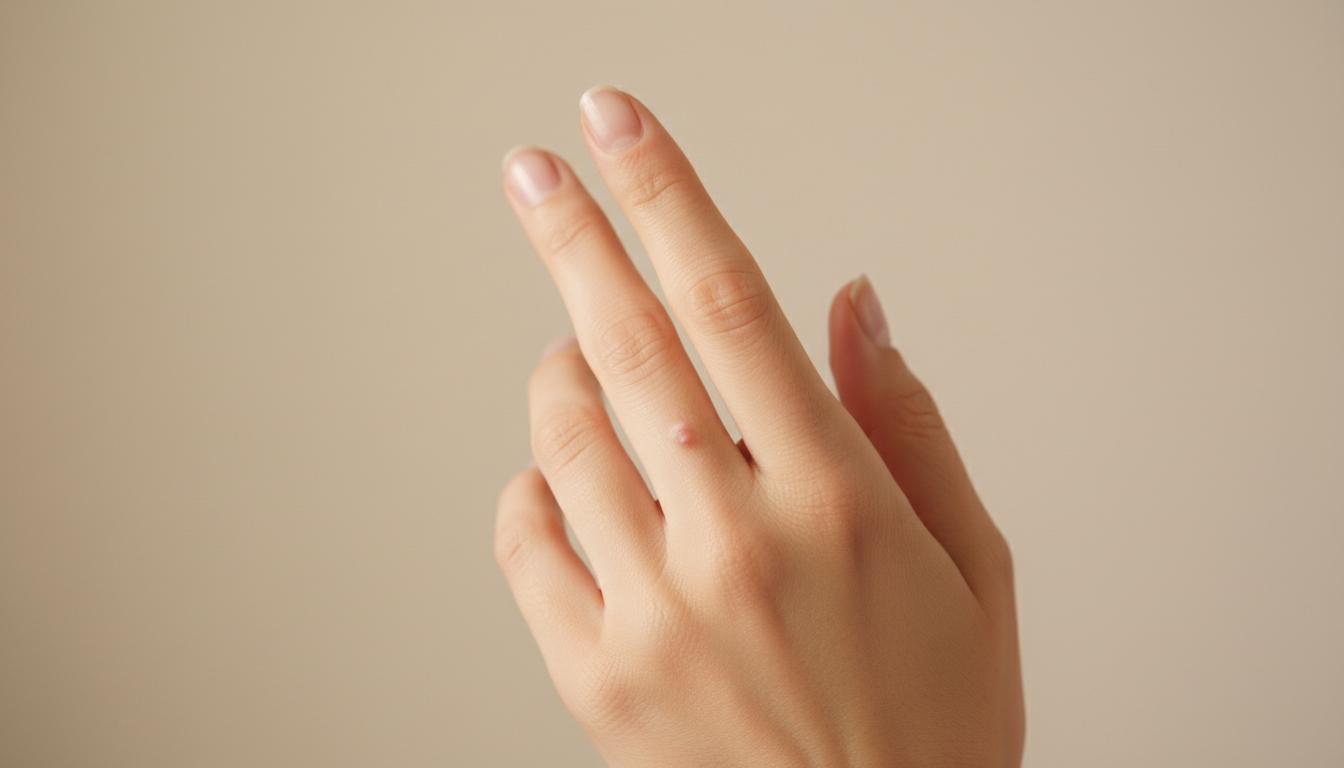
Have you noticed a small bump or rough patch on your hand, foot, or somewhere else on your body? Does it feel slightly coarse to the touch? It might be a wart. Warts are incredibly common in our country, affecting many people. While some may worry about them, warts are generally not something to fear significantly. Today, we'll delve into what warts are, why they occur, and what can be done about them.
What Exactly Are Warts?
Simply put, warts are small, non-cancerous (benign) growths that appear on the skin. The primary cause of these growths is the Human Papillomavirus (HPV). There are over 100 types of HPV viruses, but not all of them cause warts. Certain strains specifically trigger wart development in various parts of the body.
Most warts are harmless. However, they can sometimes be uncomfortable or even painful. Additionally, their appearance might cause some psychological distress. Fortunately, effective management strategies are available.
Are There Different Types of Warts?
Yes, warts can vary in appearance, location, and the specific HPV strain responsible for them. Let's explore the most common types:
| Wart Type | Common Location | Appearance and Characteristics |
|---|---|---|
| Common warts (Verruca vulgaris) | Often on hands, fingers | Rough bumps. Sometimes small black dots (clotted capillaries) are visible inside. |
| Plantar warts | Soles of the feet | Often flat and grow inward due to pressure from walking. Can be painful, feeling like a pebble in your shoe. |
| Flat warts | Can appear anywhere, including face, arms, neck | Smaller and smoother than other types. Often occur in clusters of 20-100. |
| Filiform warts | Face - around eyes, nose, mouth | Long, thread-like projections extending from the skin. |
| Genital warts | Genital and anal areas | These are sexually transmitted infections (STIs) spread through skin-to-skin contact. They require specific medical treatment. |
How Do Warts Develop? Are They Contagious?
Yes, warts are contagious because the HPV virus that causes them is easily spread. The virus can enter the body through tiny cuts or breaks in the skin. Once inside, it stimulates rapid growth of skin cells, leading to the formation of a wart on the skin's surface.
There are two main ways warts can spread:
- Direct Contact: Touching someone else's wart or having skin-to-skin contact with an infected area.
- Indirect Contact: Using items contaminated with the virus, such as towels, razors, nail clippers, or shared footwear.
Therefore, it's advisable to avoid walking barefoot in public showers, locker rooms, and swimming pools where the virus can thrive in damp environments.
What Are the Treatment Options for Warts?
The good news is that many warts, especially in individuals with healthy immune systems, will disappear on their own within a couple of years. However, because warts can spread and cause discomfort or pain, many people seek treatment.
Home Remedies
Over-the-counter treatments are available at pharmacies, often containing salicylic acid. These come in liquid, gel, or patch forms. The goal is to gradually dissolve the wart tissue layer by layer.
Important Note: Patience and consistency are crucial with home treatment. It may take several weeks or months of daily application for the wart to completely resolve.
Warning: Never attempt to cut, burn, or forcibly remove a wart yourself. Doing so can lead to bleeding, infection, and scarring.
Medical Treatments
If home remedies are ineffective, a healthcare professional can offer various treatments:
- Cryotherapy: Applying liquid nitrogen to freeze the wart tissue, causing it to die and fall off. Multiple sessions may be needed.
- Prescription Topical Medications: Doctors can prescribe stronger chemical agents to apply directly to the wart.
- Surgical Removal: A doctor can physically cut or scrape away the wart. This may leave a small scar.
- Electrosurgery: Using an electrical current to burn off the wart tissue.
- Laser Treatment: Employing laser beams to destroy the tiny blood vessels feeding the wart, causing it to die.
Can Warts Be Prevented?
While complete prevention isn't always possible, you can significantly reduce your risk:
- Avoid touching other people's warts.
- Do not share personal items like towels, razors, or nail clippers.
- Stop biting nails or picking at skin, as this creates entry points for the virus.
- Keep your skin dry and avoid walking barefoot in public damp areas.
- If you have a wart, cover it with a bandage to prevent spreading it to other parts of your body or to others. Wash hands thoroughly after touching a wart.
When Should You See a Doctor?
While most warts are benign, consulting a healthcare professional is important in certain situations:
- If you're unsure whether a skin growth is a wart. (Some skin cancers can initially resemble warts.)
- If warts appear on the face, genitals, or inside the mouth.
- If warts are numerous, spreading rapidly, or causing significant pain, bleeding, or itching.
- If you have diabetes or a weakened immune system (especially if you develop plantar warts), as these conditions increase the risk of complications and infections.
In conclusion, warts are common skin growths caused by HPV. While often harmless, understanding how they spread and seeking appropriate treatment when necessary is important for managing them effectively. Remember to practice good hygiene and consult a healthcare provider if you have concerns.
Disclaimer: This article provides general information about this condition and should not replace the advice from your doctor. Always consult a healthcare professional.
Frequently Asked Questions (FAQs)
Are warts dangerous?
Most common warts are harmless (benign) and often resolve on their own. However, some types like genital warts require specific treatment, and any suspicious skin growth should be evaluated by a doctor.
How long does it take for wart treatment to work?
Treatment time varies depending on the type of wart, the chosen method, and individual factors. Home treatments may take weeks or months, while medical procedures might require multiple sessions over several weeks.
Can I get warts from someone else?
Yes, warts are contagious. They are caused by the Human Papillomavirus (HPV), which can spread through direct skin-to-skin contact or indirectly via contaminated objects like towels or razors.
Should I treat warts at home or see a doctor?
Many common warts can be treated effectively with over-the-counter remedies. However, it's best to consult a doctor if the wart is painful, spreading rapidly, located on sensitive areas (face, genitals), or if you have underlying health conditions like diabetes.
How can I prevent getting warts?
You can reduce your risk by avoiding direct contact with warts, not sharing personal items, keeping skin dry and intact (avoiding cuts/scrapes), and wearing footwear in public showers or pool areas.
💬 අදහස් (0)
තවමත් කිසිදු අදහසක් පළ කර නොමැත. ඔබේ අදහස පළමු වරට මෙහි එක් කරන්න.
ඔබේ අදහස එක් කරන්න