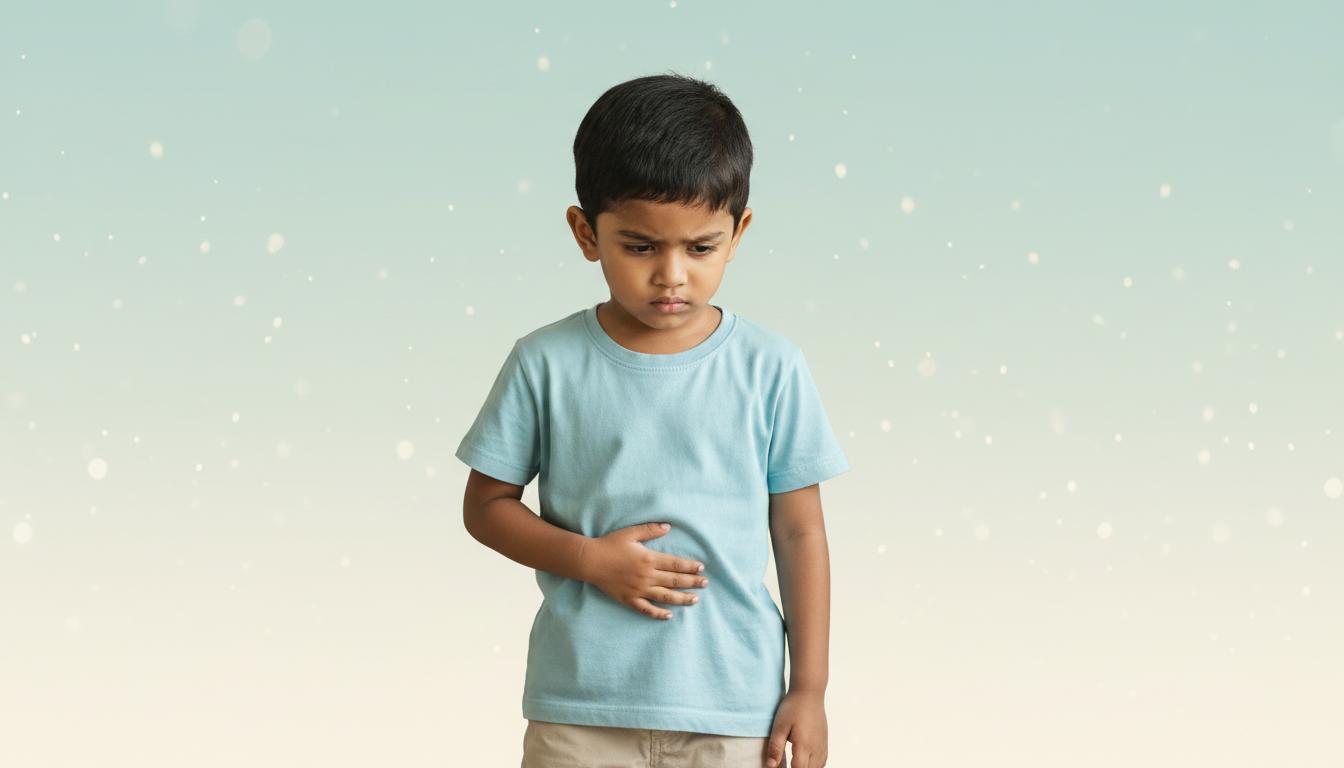
When your little one says, “Mommy, my tummy hurts,” or seems unusually weak, it can be a nerve-wracking experience for any parent. Nausea—that uncomfortable feeling that a child is about to vomit—is quite common in children. While it is often nothing to be overly concerned about, it is important to stay informed so you can provide the best care.
What is Nausea?
Simply put, nausea is the uneasy, queasy sensation in the stomach that often precedes vomiting. Children may not always know how to describe the feeling of nausea. Instead, they might say, “my tummy hurts,” “my stomach feels funny,” or “I don't feel well.” Sometimes they may show a sudden loss of appetite. This is the experience of nausea.
Think about how you feel when you are motion sick or have eaten something that didn't agree with you; children experience it in the same way. Usually, the nausea resolves on its own once they have vomited or the underlying illness passes. So, there is no need to panic, but knowing how to comfort and monitor your child is essential.
How to care for a nauseous child at home
If your child is experiencing nausea, there are several ways you can care for them at home. Keeping these tips in mind will make the process easier for you and help your little one recover faster.
Nutrition tips during nausea
When a child is nauseous, eating can be a struggle. Do not force them to eat, as this may make them feel worse. However, they need to stay nourished. Try these approaches:
- Offer light, easily digestible foods:
- Plain toast (without butter)
- Salted crackers
- Plain white rice
- Mashed boiled potatoes
- Light rice porridge or congee
Most importantly, offer these foods in small, frequent amounts rather than large meals.
- Foods to avoid:
- High-fat foods: Fried items, pastries, or greasy foods.
- High-sugar foods: Chocolate, cakes, or sugary sodas (these can worsen nausea).
- Processed foods: Sausages, processed meats, or frozen convenience meals.
- Encourage rest after eating: Keep your child calm and still for a while after they have consumed food or liquid. Avoid rough play or vigorous activity.
Preventing dehydration
Nausea—and particularly vomiting—causes the body to lose fluids, which can lead to dehydration. This is a significant concern for children. Ensure they are getting plenty of fluids, but again, offer small sips frequently rather than a large glass all at once.
- Good hydration options:
- Pure water: The best choice.
- Diluted fruit juices: Mix one part juice with one part water.
- Clear broths: Vegetable or chicken broth.
- Ice pops: Many children find these soothing.
- Jelly: Its high water content makes it a good option.
- Oral Rehydration Solutions: Use these only if recommended by your pediatrician.
- Drinks to avoid:
- Carbonated drinks: Sodas and colas can increase gas in the stomach and worsen nausea.
- Caffeinated drinks: Coffee, tea, and some chocolate-based drinks contain caffeine, which is not suitable when a child is unwell.
For example, if your child wakes up feeling nauseous, avoid forcing a meal. Instead, focus on small, frequent sips of water. As the day progresses, they may be able to handle a few crackers. Patience and gentle monitoring are the keys to recovery.
Regarding anti-nausea medications
There are over-the-counter medications for nausea, but do not give your child any medication without consulting your pediatrician. Treating symptoms without understanding the underlying cause can sometimes mask more serious issues. Always prioritize professional medical advice.
Ensure plenty of rest
Nausea is exhausting. Allow your child to rest in a quiet, comfortable environment. Keep a bowl or bucket nearby just in case they need to vomit, so you can act quickly without being startled.
When to see a doctor
While most cases of nausea improve within a day or two, there are red flags that necessitate a visit to your local clinic or emergency department. Seek medical attention immediately if your child experiences:
- Frequent vomiting: This increases the risk of severe dehydration.
- Severe abdominal pain with diarrhea: This could indicate a gastrointestinal infection.
- High fever: (Any temperature over 100.4°F or 38°C).
- Stiff neck or pain when moving the neck: This could be a symptom of a serious condition like meningitis.
- Severe or recurrent headaches: Especially if they wake the child up or occur first thing in the morning.
- Inability to keep down fluids: This puts the child at high risk of rapid dehydration.
- Prolonged symptoms: If the nausea persists for more than a week or keeps recurring.
In these situations, do not wait; seek professional medical care promptly.
What else should we know about nausea?
Understanding the causes of nausea can help you remain calm. Common triggers include:
- Infections: Viral or bacterial gastroenteritis (often called a "stomach bug").
- Stress and Anxiety: Even children experience these; school pressure or changes in routine can manifest physically as nausea.
- Medications: Some antibiotics or other prescribed drugs have nausea as a side effect.
- Motion Sickness: Common in cars, buses, or boats.
- Allergic Reactions: Reactions to certain foods, pollen, or environmental triggers.
- Dehydration: A lack of sufficient fluids can paradoxically cause nausea.
- Food Sensitivities: Conditions like lactose or egg intolerance can cause stomach upset.
Take-Home Message
We hope this guide gives you confidence in managing your child’s nausea. Remember:
The most important thing is to stay calm and be patient while caring for your child.
- Nausea is usually not serious and often resolves on its own.
- Do not force food. Stick to small, bland, easily digestible portions.
- Hydration is key. Focus on small, frequent sips to prevent dehydration.
- Prioritize rest.
- Consult a doctor before giving any medication.
- Watch for red flags: If you see warning signs like high fever or severe pain, contact a medical professional immediately.
By staying informed, you are providing the best support for your little one. You are not alone, and if you are ever in doubt, the team at Nirogi Lanka encourages you to reach out to your pediatrician or local emergency medical services.
Nausea, vomiting, child health, dehydration, home care, stomach ache, pediatrics