
Na ntlo ea hao e tletse liboko? (Liboko) - Tharollo e phethahetseng ea bothata bona bo nyonyehang ke ena!

Na ntlo ea hao e tletse liboko? (Liboko) - Tharollo e phethahetseng ea bothata bona bo nyonyehang ke ena!
Oho! Ho thoe'ng haeba u bula nkho ea lithōle tsa kichine 'me u bona sehlopha sa liboko tse nyane tse tšoeu li hahaba? Ho etsa hore u thothomele u nahana feela ka hona, na ha ho joalo? Ho ba le liboko tsena, kapa joalo ka ha re re ka Senyesemane, liboko, ka tlung ea hau ke tšitiso ea 'nete le sesupo sa ho se hloeke. Empa u se ke ua tšoenyeha. Sena se ka rarolloa habonolo ntle le ho etsa taba e kholo ka sona. Kajeno, ha re buisaneng ka hore na liboko tsena ke bo-mang, hore na ke hobane'ng ha li hlaha, le mokhoa oa ho felisa bothata bona ka ho feletseng.

Liboko tsena ke bo-mang? (Liboko ke Eng?)
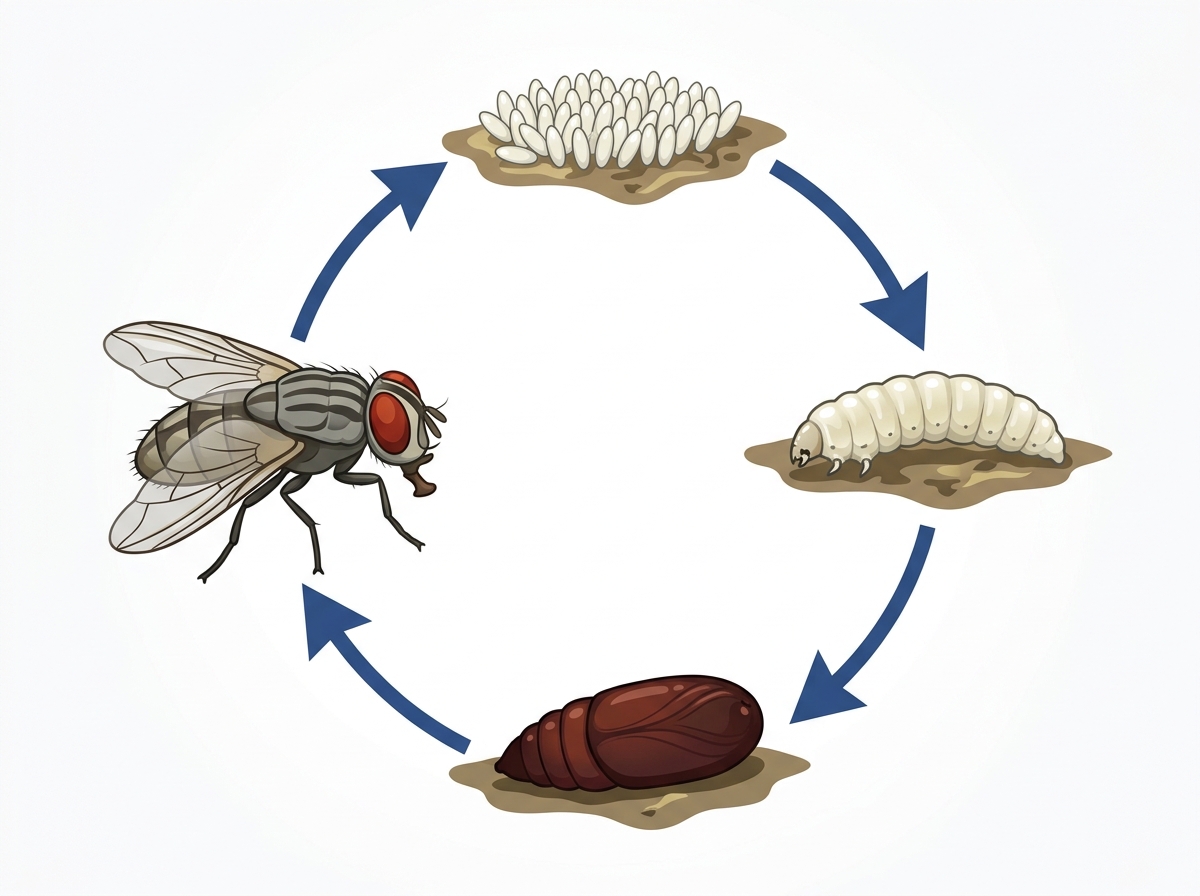
Lifecycle of a housefly showing eggs, larva (maggot), pupa, and adult fly connected in a circle with blue arrows. The image has no text.

Fly lifecycle diagram: eggs, larva (maggot), pupa, adult fly (purely visual illustration, no text).

Ha re bua ka bokhutšoanyane, liboko tsena ke liboko tsa lintsintsi . Feela joalokaha ho e-na le seboko pele ho e-ba le serurubele, ho na le liboko tsena pele ho e-ba le ntsintsi. Hangata li nyane, li tšoana le liboko, 'me li tšoeu ka 'mala. Li na le hlooho e tšesaane 'me ha li na makala. Hangata li fumanoa linthong tse bolang le tse bolang tsa tlhaho . Li nyane, li tšoeu ka 'mala qalong, empa ha li ntse li hola, ka linako tse ling li ka hola ho fihlela li le bolelele ba lisenthimithara tse 1.5 'me tsa fetoha bohlooho kapa tsa ba ntšo ka 'mala. Ebe 'mele ea tsona e ba thata hanyane.
Leha diboko tsena di sa re thabise, ka dinako tse ding di ka ba molemo. Di boetse di sebediswa thutong ya dikokonyana tsa diphoofolo le ho hlwekiseng maqeba .
Empa ha li na thuso ha u le hae. Kahoo ntho e molemohali eo u ka e etsang ke ho li tseba le ho li tlosa kapele.

Na ho na le mefuta e fapaneng ea liboko?

E, joalo ka lintsintsi, ho na le mefuta e fapaneng ea liboko. Empa ha ho hlokahale hore re tsebe ka tsona kaofela. Ho lekane ho tseba ka mefuta eo re e bonang haholo malapeng a rona.
Mofuta oa Matšoele Moo hangata ho bonoang teng
Liboko tse fofang Hangata li phela linthong tse kang nama e bolileng le tlhapi. 'Mele oa ntsintsi ea 'm'a tsona o na le 'mala o benyang oa tšepe.
Liboko tsa Nts'e ea NtloMatlo a rona a tletse lithōle, liqubu tsa lithōle, le litholoana le meroho e senyehileng.
Liboko tsa Nonyana ea Nama Jwalo ka ha lebitso le bontsha, hangata di hohelwa ke nama e bolang le ditopo tsa diphoofolo.
Liboko tsa Sesole Liqubung tsa manyolo a litlama, u ka bona liqubu tsa lintho tse bolang tsa tlhaho.

U tseba joang hore ho na le liboko ka tlung?

Ela hloko matšoao ana ho tseba hore na lehae la hao le tletse diboko:
  • Monko o mobe: Haeba ho na le monko o mobe o sa mamelleheng, o bolileng o tswang moqomong wa matlakala kapa qubung ya manyolo .
  • Keketseho ea lintsintsi : Haeba ka tšohanyetso ho hlaha lintsintsi tse ngata tse fofang ka tlung, haholo-holo haufi le kichine , e ka ba sesupo.
  • Ho bona liboko: Haeba u bona liboko tse nyane tse tšoeu li tsamaea ka har'a lithōle, ka har'a sengoathoana sa lijo se oeleng fatše, kapa haufi le sekotlolo sa lijo sa phoofolo ea hau ea lapeng.
Potoloho ea bophelo ba liboko tsena e khutšoanyane, e ka ba matsatsi a 5-10. Empa hobane li tsoela pele ho behela mahe le ho ikatisa, bothata bona bo ke ke ba fela ntle le haeba sesosa se fumanoa 'me se felisoa pele.

Ke hobane'ng ha liboko tsena li hlaha? Li ka thibeloa joang?

Lebaka le ka sehloohong leo liboko li ikatisang ka lona ke hobane tikoloho ea rona ea lehae e etsa sebaka se loketseng bakeng sa lintsintsi ho behela mahe a tsona . Lintsintsi li rata libaka tse mongobo, tse futhumetseng le tse nang le lintho tse bolang. Ho thibela liboko ho ikatisa, etsa lintho tsena:
  • Laola litšila hantle: Tšolla lithōle tsa kichine letsatsi le leng le le leng. Sebelisa nkho ea lithōle e nang le sekoahelo. Phuthela masala a kang nama le tlhapi ka polythene ebe u a kenya ka nkho ea lithōle.
  • Boloka lijo li koahetsoe hantle: Boloka masalla, joalo ka litholoana , a koahetsoe hantle ka sehatsetsing. Haeba u a boloka kantle, a koahele ka sekoahelo sa lijo.
  • Bohloeki: Haeba lijo li oela fatše ka kichineng kapa ka khaontareng, li hloekise hang-hang. Li hloekise khafetsa u sebelisa sebolaya-mafu .
  • Tlosa mongobo:Haeba ho na le libaka tse nang le metsi a emeng ka tlung ea hau, li tlose. Mongobo oa hlokahala hore liboko li phele.
  • Fokotsa menyetla ea hore lintsintsi li kene ka tlung ea hau: Ho molemo ho beha li-screen lifensetereng le mamating, kapa ho koala mamati ka hohle kamoo ho ka khonehang.
  • Hlokomela liphoofolo tsa hao tse ruuoang lapeng: Hlatsoa likotlolo tsa lijo tsa liphoofolo tsa hao tse ruuoang lapeng khafetsa. Tlosa mantle a tsona kapele.

Na ho na le likotsi life kapa life bophelong tse bakoang ke liboko?

Sena ke ntho e tšoenyang batho ba bangata. Hangata, liboko ka tlung ha li bake kotsi e kaalo ho motho ea phetseng hantle. Leha ho le joalo, maemong a mang, ho ka ba le kotsi. Kotsi e kholo ke boemo bo bitsoang myiasis . Ha re bua ka bonolo, sena ke ha liboko tsa ntsintsi li tšoaetsa lisele tsa batho kapa tsa liphoofolo . Haeba ntsintsi e tla 'me e behela mahe leqebeng le sa pheleng hantle' meleng, liboko tse qhotsoang maheng ao li qala ho phela ka har'a leqeba leo. Ena e ka ba boemo bo kotsi haholo. Haeba li sa phekoloe, mathata a tebileng a ka hlaha, 'me esita le lefu le ka hlaha.
Ka hona, haeba o na le leqeba le sa foleng, haholo-holo maqeba a sa foleng maotong a batho ba nang le lefu la tsoekere, o lokela ho ba hlokolosi haholo ka lintsintsi. Haeba o bona liboko leqebeng le joalo, bona ngaka kapele.
Ho phaella moo, haeba o ka ja dijo tse senyehileng tse nang le diboko ka phoso, o ka tshwarwa ke mala le ditshwaetso (mala a myiasis). Empa hopola ntho e le nngwe, diboko ha di lome batho kapa diphoofolo. Kahoo ha ho hlokahale hore o tshwenyehe ka hore di tla loma le ho jala mafu.

Nka tlosa liboko tsena joang?

Ho lokile, joale ha re boneng hore na ke litsela life tsa ho felisa bothata bona.

1. Bohloeki bo tla pele.

Ena ke tharollo e molemohali le e sa feleng. Tlosa ka botlalo sebaka seo liboko li leng ho sona, joalo ka nkho ea lithōle kapa nkho ea lithōle. Ebe u hlatsoa sebaka seo hantle ka metsi a chesang le sebolaya-mafu 'me u se tlohele hore se ome.

2. Maraba a Lintsintsi

Kaha lintsintsi ke tsona tse etsang liboko, taolo ea lintsintsi e bohlokoa haholo. U ka tšoasa lintsintsi tse kholo u sebelisa pampiri ea lintsintsi le maraba a lintsintsi a fumanehang khoebong.

3. Mekhoa ea tlhaho

  • Lefats'e la Diatomaceous: Ena ke phofo e entsoeng ka bolele bo mesaletsang. Ha e sebelisoa libokong, e monya mongobo 'meleng ea tsona, e li qhibilihisa le ho li bolaea. Ha e kotsi ho batho le liphoofolo tse ruuoang lapeng. Fafatsa phofo ena moo liboko li leng teng.
  • Lira tsa tlhaho: Haeba u na le liphoofolo tse kang linonyana le mekholutsoane serapeng sa hau, li tla ja liboko tsena. Eo hape ke mokhoa oa tlhaho oa taolo.

4. Libolaya-likokoana-hloko tsa lik'hemik'hale

Libolaya-likokoanyana li ka fafatsoa ho bolaea liboko.Empa o hloka ho ba hlokolosi haholo ha o sebedisa tsena.
  • Latela ditaelo: Latela ditaelo tse botlolong hantle.
  • E-ba hlokolosi haholo: Ela hloko haholo ha u e sebelisa haufi le bana ba banyenyane le liphoofolo tse ruuoang lapeng. U se ke ua fafatsa haufi le lijo kapa lino.
  • Haeba ho hlaha maemo a tšohanyetso: Haeba k'hemik'hale efe kapa efe ena e ka oela letlalong la hao ka phoso, ea kena mahlong a hao, kapa ea monngoa ka phoso , e-ea Lefapheng la Maemo a Tšohanyetso la sepetlele se haufi (ETU) hang-hang. Hape, letsetsa Setsi sa Naha sa Tlhahisoleseling ea Chefo Sepetleleng sa Naha sa Colombo bakeng sa tlhaiso-leseling le likeletso tse ling.

Ho thoe'ng haeba ho na le liboko leqebeng la phoofolo ea lapeng?

Haeba o bona diboko leqebeng mmeleng wa phoofolo ya hao ya lapeng, o se ke wa leka ho e phekola lapeng. Sena se ka mpefatsa tshwaetso. Isa phoofolo ya hao ho ngaka ya diphoofolo e nang le boiphihlelo hanghang. E tla hlwekisa leqeba mme e fane ka kalafo e loketseng.

Molaetsa oo u ka o isang hae

  • Liboko ke liboko tsa lintsintsi. Li mela linthong tse bolang le tse bolang.
  • Tsela e molemohali le e tiileng ea ho felisa liboko ke bohloeki. Ho lahla lithōle ka nepo le ho boloka lijo le lino li koahetsoe hantle ke habohlokoa haholo.
  • Liboko li ka baka tšoaetso e kotsi ea lisele e bitsoang myiasis . Haeba u bona liboko leqebeng 'meleng oa hao, bona ngaka ea hao hang-hang.
  • Ela hloko haholo ha o sebedisa dibolaya-dikokwana-hloko tsa dikhemikhale. Latela ditaelo tsa polokeho hantle.
  • Haeba phoofolo ea hau ea lapeng e e-ba le boemo bona, bona ngaka ea liphoofolo hang-hang.
Liboko, liboko, lintsintsi, bohloeki, myiasis, tšoaetso, polokeho ea lapeng

1. What causes maggots in the trash can?

Maggots appear because adult flies are attracted to moist organic waste (like meat or fish scraps) and lay eggs there. In warm conditions, these eggs hatch into larvae in less than 24 hours.

2. How to get rid of maggots quickly without chemicals?

The fastest natural way is to pour boiling water directly over them, then wash the bin with bleach or disinfectant. Diatomaceous earth is also a highly effective natural desiccant.

3. Are maggots dangerous to humans?

They do not bite humans, but they can contaminate surfaces with pathogens. The most serious medical risk is myiasis, which occurs if flies lay eggs in open wounds.

4. What is myiasis?

Myiasis is a parasitic infection caused by fly larvae developing in living tissues of humans or animals. It causes intense pain and requires immediate medical treatment.

5. What should I do if my pet has maggots in a wound?

Take your pet to a qualified veterinarian immediately. Do not apply household insecticides to the wound, as they can poison the animal.

Frequently Asked Questions (FAQ)

1. What causes maggots in the trash can?

Maggots appear because adult flies are attracted to moist organic waste (like meat or fish scraps) and lay eggs there. In warm conditions, these eggs hatch into larvae in less than 24 hours.

2. How to get rid of maggots quickly without chemicals?

The fastest natural way is to pour boiling water directly over them, then wash the bin with bleach or disinfectant. Diatomaceous earth is also a highly effective natural desiccant.

3. Are maggots dangerous to humans?

They do not bite humans, but they can contaminate surfaces with pathogens. The most serious medical risk is myiasis, which occurs if flies lay eggs in open wounds.

4. What is myiasis?

Myiasis is a parasitic infection caused by fly larvae developing in living tissues of humans or animals. It causes intense pain and requires immediate medical treatment.

5. What should I do if my pet has maggots in a wound?

Take your pet to a qualified veterinarian immediately. Do not apply household insecticides to the wound, as they can poison the animal.

⚠️ Important: The medical articles and information on Nirogi Lanka are for general awareness only, and are by no means a substitute for professional medical advice, diagnosis, or treatment. For any medical problem you have, consult a qualified physician immediately.

💬 Comments (0)

Ha ho maikutlo a rometsoeng hajoale. Kenya maikutlo a hau mona lekhetlo la pele.

Kenya maikutlo a hau

Ka kopo bala: 9 + 4 =
Na ntlo ea hao e tletse liboko? (Liboko) - Tharollo e phethahetseng ea bothata bona bo nyonyehang ke ena!

Na ntlo ea hao e tletse liboko? (Liboko) - Tharollo e phethahetseng ea bothata bona bo nyonyehang ke ena!

Oho! Ho thoe'ng haeba u bula nkho ea lithōle tsa kichine 'me u bona sehlopha sa liboko tse nyane tse tšoeu li hahaba? Ho etsa hore u thothomele u nahana feela ka hona, na ha ho joalo? Ho ba le liboko tsena, kapa joalo ka ha re re ka Senyesemane, liboko, ka tlung ea hau ke tšitiso ea 'nete le sesupo sa ho se hloeke. Empa u se ke ua tšoenyeha. Sena se ka rarolloa habonolo ntle le ho etsa taba e kholo ka sona. Kajeno, ha re buisaneng ka hore na liboko tsena ke bo-mang, hore na ke hobane'ng ha li hlaha, le mokhoa oa ho felisa bothata bona ka ho feletseng.

Liboko tsena ke bo-mang? (Liboko ke Eng?)

Lifecycle of a housefly showing eggs, larva (maggot), pupa, and adult fly connected in a circle with blue arrows. The image has no text.

Fly lifecycle diagram: eggs, larva (maggot), pupa, adult fly (purely visual illustration, no text).

Ha re bua ka bokhutšoanyane, liboko tsena ke liboko tsa lintsintsi . Feela joalokaha ho e-na le seboko pele ho e-ba le serurubele, ho na le liboko tsena pele ho e-ba le ntsintsi. Hangata li nyane, li tšoana le liboko, 'me li tšoeu ka 'mala. Li na le hlooho e tšesaane 'me ha li na makala. Hangata li fumanoa linthong tse bolang le tse bolang tsa tlhaho . Li nyane, li tšoeu ka 'mala qalong, empa ha li ntse li hola, ka linako tse ling li ka hola ho fihlela li le bolelele ba lisenthimithara tse 1.5 'me tsa fetoha bohlooho kapa tsa ba ntšo ka 'mala. Ebe 'mele ea tsona e ba thata hanyane.
Leha diboko tsena di sa re thabise, ka dinako tse ding di ka ba molemo. Di boetse di sebediswa thutong ya dikokonyana tsa diphoofolo le ho hlwekiseng maqeba .
Empa ha li na thuso ha u le hae. Kahoo ntho e molemohali eo u ka e etsang ke ho li tseba le ho li tlosa kapele.

Na ho na le mefuta e fapaneng ea liboko?

E, joalo ka lintsintsi, ho na le mefuta e fapaneng ea liboko. Empa ha ho hlokahale hore re tsebe ka tsona kaofela. Ho lekane ho tseba ka mefuta eo re e bonang haholo malapeng a rona.
Mofuta oa Matšoele Moo hangata ho bonoang teng
Liboko tse fofang Hangata li phela linthong tse kang nama e bolileng le tlhapi. 'Mele oa ntsintsi ea 'm'a tsona o na le 'mala o benyang oa tšepe.
Liboko tsa Nts'e ea NtloMatlo a rona a tletse lithōle, liqubu tsa lithōle, le litholoana le meroho e senyehileng.
Liboko tsa Nonyana ea Nama Jwalo ka ha lebitso le bontsha, hangata di hohelwa ke nama e bolang le ditopo tsa diphoofolo.
Liboko tsa Sesole Liqubung tsa manyolo a litlama, u ka bona liqubu tsa lintho tse bolang tsa tlhaho.

U tseba joang hore ho na le liboko ka tlung?

Ela hloko matšoao ana ho tseba hore na lehae la hao le tletse diboko:
  • Monko o mobe: Haeba ho na le monko o mobe o sa mamelleheng, o bolileng o tswang moqomong wa matlakala kapa qubung ya manyolo .
  • Keketseho ea lintsintsi : Haeba ka tšohanyetso ho hlaha lintsintsi tse ngata tse fofang ka tlung, haholo-holo haufi le kichine , e ka ba sesupo.
  • Ho bona liboko: Haeba u bona liboko tse nyane tse tšoeu li tsamaea ka har'a lithōle, ka har'a sengoathoana sa lijo se oeleng fatše, kapa haufi le sekotlolo sa lijo sa phoofolo ea hau ea lapeng.
Potoloho ea bophelo ba liboko tsena e khutšoanyane, e ka ba matsatsi a 5-10. Empa hobane li tsoela pele ho behela mahe le ho ikatisa, bothata bona bo ke ke ba fela ntle le haeba sesosa se fumanoa 'me se felisoa pele.

Ke hobane'ng ha liboko tsena li hlaha? Li ka thibeloa joang?

Lebaka le ka sehloohong leo liboko li ikatisang ka lona ke hobane tikoloho ea rona ea lehae e etsa sebaka se loketseng bakeng sa lintsintsi ho behela mahe a tsona . Lintsintsi li rata libaka tse mongobo, tse futhumetseng le tse nang le lintho tse bolang. Ho thibela liboko ho ikatisa, etsa lintho tsena:
  • Laola litšila hantle: Tšolla lithōle tsa kichine letsatsi le leng le le leng. Sebelisa nkho ea lithōle e nang le sekoahelo. Phuthela masala a kang nama le tlhapi ka polythene ebe u a kenya ka nkho ea lithōle.
  • Boloka lijo li koahetsoe hantle: Boloka masalla, joalo ka litholoana , a koahetsoe hantle ka sehatsetsing. Haeba u a boloka kantle, a koahele ka sekoahelo sa lijo.
  • Bohloeki: Haeba lijo li oela fatše ka kichineng kapa ka khaontareng, li hloekise hang-hang. Li hloekise khafetsa u sebelisa sebolaya-mafu .
  • Tlosa mongobo:Haeba ho na le libaka tse nang le metsi a emeng ka tlung ea hau, li tlose. Mongobo oa hlokahala hore liboko li phele.
  • Fokotsa menyetla ea hore lintsintsi li kene ka tlung ea hau: Ho molemo ho beha li-screen lifensetereng le mamating, kapa ho koala mamati ka hohle kamoo ho ka khonehang.
  • Hlokomela liphoofolo tsa hao tse ruuoang lapeng: Hlatsoa likotlolo tsa lijo tsa liphoofolo tsa hao tse ruuoang lapeng khafetsa. Tlosa mantle a tsona kapele.

Na ho na le likotsi life kapa life bophelong tse bakoang ke liboko?

Sena ke ntho e tšoenyang batho ba bangata. Hangata, liboko ka tlung ha li bake kotsi e kaalo ho motho ea phetseng hantle. Leha ho le joalo, maemong a mang, ho ka ba le kotsi. Kotsi e kholo ke boemo bo bitsoang myiasis . Ha re bua ka bonolo, sena ke ha liboko tsa ntsintsi li tšoaetsa lisele tsa batho kapa tsa liphoofolo . Haeba ntsintsi e tla 'me e behela mahe leqebeng le sa pheleng hantle' meleng, liboko tse qhotsoang maheng ao li qala ho phela ka har'a leqeba leo. Ena e ka ba boemo bo kotsi haholo. Haeba li sa phekoloe, mathata a tebileng a ka hlaha, 'me esita le lefu le ka hlaha.
Ka hona, haeba o na le leqeba le sa foleng, haholo-holo maqeba a sa foleng maotong a batho ba nang le lefu la tsoekere, o lokela ho ba hlokolosi haholo ka lintsintsi. Haeba o bona liboko leqebeng le joalo, bona ngaka kapele.
Ho phaella moo, haeba o ka ja dijo tse senyehileng tse nang le diboko ka phoso, o ka tshwarwa ke mala le ditshwaetso (mala a myiasis). Empa hopola ntho e le nngwe, diboko ha di lome batho kapa diphoofolo. Kahoo ha ho hlokahale hore o tshwenyehe ka hore di tla loma le ho jala mafu.

Nka tlosa liboko tsena joang?

Ho lokile, joale ha re boneng hore na ke litsela life tsa ho felisa bothata bona.

1. Bohloeki bo tla pele.

Ena ke tharollo e molemohali le e sa feleng. Tlosa ka botlalo sebaka seo liboko li leng ho sona, joalo ka nkho ea lithōle kapa nkho ea lithōle. Ebe u hlatsoa sebaka seo hantle ka metsi a chesang le sebolaya-mafu 'me u se tlohele hore se ome.

2. Maraba a Lintsintsi

Kaha lintsintsi ke tsona tse etsang liboko, taolo ea lintsintsi e bohlokoa haholo. U ka tšoasa lintsintsi tse kholo u sebelisa pampiri ea lintsintsi le maraba a lintsintsi a fumanehang khoebong.

3. Mekhoa ea tlhaho

  • Lefats'e la Diatomaceous: Ena ke phofo e entsoeng ka bolele bo mesaletsang. Ha e sebelisoa libokong, e monya mongobo 'meleng ea tsona, e li qhibilihisa le ho li bolaea. Ha e kotsi ho batho le liphoofolo tse ruuoang lapeng. Fafatsa phofo ena moo liboko li leng teng.
  • Lira tsa tlhaho: Haeba u na le liphoofolo tse kang linonyana le mekholutsoane serapeng sa hau, li tla ja liboko tsena. Eo hape ke mokhoa oa tlhaho oa taolo.

4. Libolaya-likokoana-hloko tsa lik'hemik'hale

Libolaya-likokoanyana li ka fafatsoa ho bolaea liboko.Empa o hloka ho ba hlokolosi haholo ha o sebedisa tsena.
  • Latela ditaelo: Latela ditaelo tse botlolong hantle.
  • E-ba hlokolosi haholo: Ela hloko haholo ha u e sebelisa haufi le bana ba banyenyane le liphoofolo tse ruuoang lapeng. U se ke ua fafatsa haufi le lijo kapa lino.
  • Haeba ho hlaha maemo a tšohanyetso: Haeba k'hemik'hale efe kapa efe ena e ka oela letlalong la hao ka phoso, ea kena mahlong a hao, kapa ea monngoa ka phoso , e-ea Lefapheng la Maemo a Tšohanyetso la sepetlele se haufi (ETU) hang-hang. Hape, letsetsa Setsi sa Naha sa Tlhahisoleseling ea Chefo Sepetleleng sa Naha sa Colombo bakeng sa tlhaiso-leseling le likeletso tse ling.

Ho thoe'ng haeba ho na le liboko leqebeng la phoofolo ea lapeng?

Haeba o bona diboko leqebeng mmeleng wa phoofolo ya hao ya lapeng, o se ke wa leka ho e phekola lapeng. Sena se ka mpefatsa tshwaetso. Isa phoofolo ya hao ho ngaka ya diphoofolo e nang le boiphihlelo hanghang. E tla hlwekisa leqeba mme e fane ka kalafo e loketseng.

Molaetsa oo u ka o isang hae

  • Liboko ke liboko tsa lintsintsi. Li mela linthong tse bolang le tse bolang.
  • Tsela e molemohali le e tiileng ea ho felisa liboko ke bohloeki. Ho lahla lithōle ka nepo le ho boloka lijo le lino li koahetsoe hantle ke habohlokoa haholo.
  • Liboko li ka baka tšoaetso e kotsi ea lisele e bitsoang myiasis . Haeba u bona liboko leqebeng 'meleng oa hao, bona ngaka ea hao hang-hang.
  • Ela hloko haholo ha o sebedisa dibolaya-dikokwana-hloko tsa dikhemikhale. Latela ditaelo tsa polokeho hantle.
  • Haeba phoofolo ea hau ea lapeng e e-ba le boemo bona, bona ngaka ea liphoofolo hang-hang.
Liboko, liboko, lintsintsi, bohloeki, myiasis, tšoaetso, polokeho ea lapeng

1. What causes maggots in the trash can?

Maggots appear because adult flies are attracted to moist organic waste (like meat or fish scraps) and lay eggs there. In warm conditions, these eggs hatch into larvae in less than 24 hours.

2. How to get rid of maggots quickly without chemicals?

The fastest natural way is to pour boiling water directly over them, then wash the bin with bleach or disinfectant. Diatomaceous earth is also a highly effective natural desiccant.

3. Are maggots dangerous to humans?

They do not bite humans, but they can contaminate surfaces with pathogens. The most serious medical risk is myiasis, which occurs if flies lay eggs in open wounds.

4. What is myiasis?

Myiasis is a parasitic infection caused by fly larvae developing in living tissues of humans or animals. It causes intense pain and requires immediate medical treatment.

5. What should I do if my pet has maggots in a wound?

Take your pet to a qualified veterinarian immediately. Do not apply household insecticides to the wound, as they can poison the animal.

Frequently Asked Questions (FAQ)

1. What causes maggots in the trash can?

Maggots appear because adult flies are attracted to moist organic waste (like meat or fish scraps) and lay eggs there. In warm conditions, these eggs hatch into larvae in less than 24 hours.

2. How to get rid of maggots quickly without chemicals?

The fastest natural way is to pour boiling water directly over them, then wash the bin with bleach or disinfectant. Diatomaceous earth is also a highly effective natural desiccant.

3. Are maggots dangerous to humans?

They do not bite humans, but they can contaminate surfaces with pathogens. The most serious medical risk is myiasis, which occurs if flies lay eggs in open wounds.

4. What is myiasis?

Myiasis is a parasitic infection caused by fly larvae developing in living tissues of humans or animals. It causes intense pain and requires immediate medical treatment.

5. What should I do if my pet has maggots in a wound?

Take your pet to a qualified veterinarian immediately. Do not apply household insecticides to the wound, as they can poison the animal.

⚠️ Important: The medical articles and information on Nirogi Lanka are for general awareness only, and are by no means a substitute for professional medical advice, diagnosis, or treatment. For any medical problem you have, consult a qualified physician immediately.

💬 Comments (0)

Ha ho maikutlo a rometsoeng hajoale. Kenya maikutlo a hau mona lekhetlo la pele.

Kenya maikutlo a hau

Ka kopo bala: 9 + 4 =