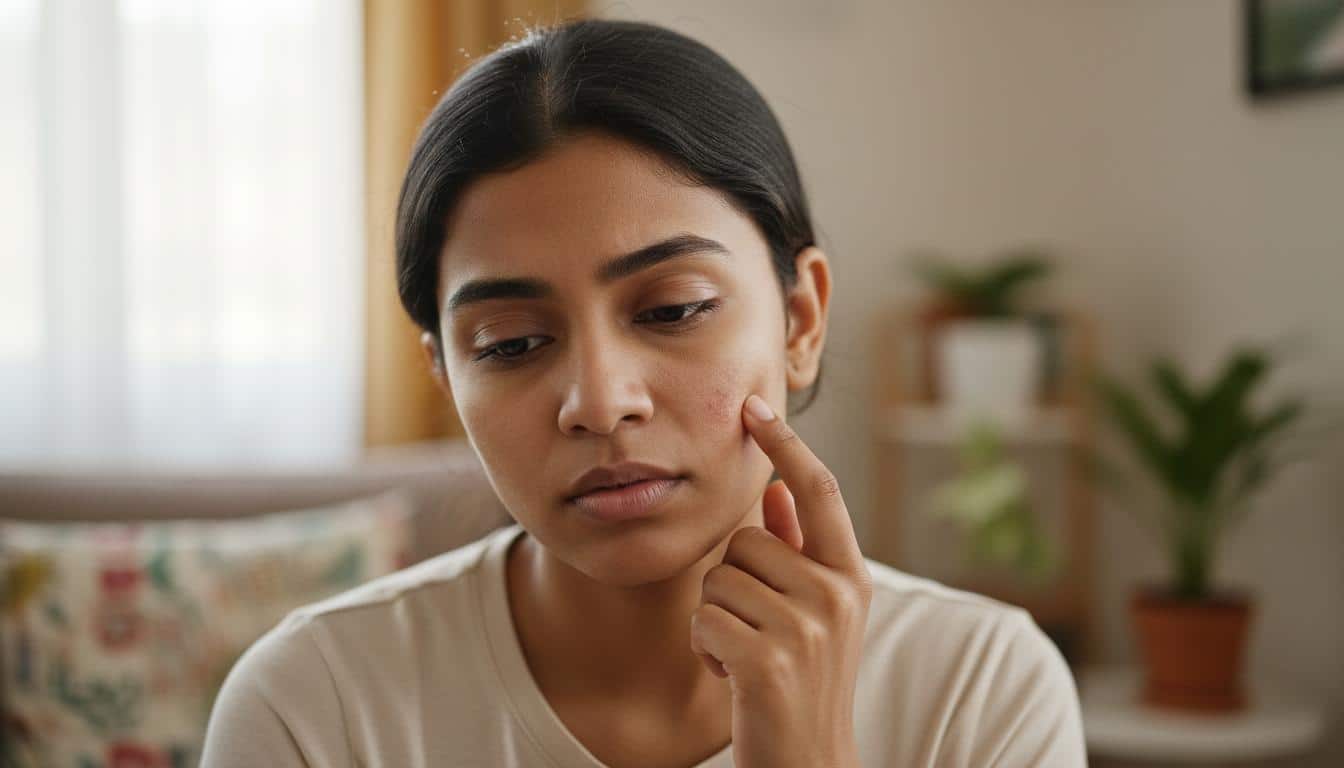
Do you ever feel like managing your skin is an uphill battle? It’s completely normal to feel that way, especially when you wake up to find a stubborn pimple on your nose or a painful crack at the corner of your mouth. But here’s the good news: there are effective ways to prevent and treat these common skin concerns. Let’s talk about how to manage them, shall we?
Let’s Talk About Acne
Acne is a skin challenge that most of us face at some point, particularly during our youth. However, if you understand how it works, it becomes much easier to control.
How does acne form?
Simply put, a breakout begins when your skin's pores get clogged with an oil called 'Sebum'. Sebum is actually a natural oil that helps keep your skin and hair lubricated. However, during periods of hormonal changes—especially during puberty—your body can suddenly produce more sebum than necessary. Oil glands are most active on the forehead, nose, and chin—an area we call the 'T-zone.' That is exactly why you are more prone to breakouts in these specific spots.
Practical steps to control acne
Now, let’s look at what you can do to reduce breakouts and help them heal faster.
- Wash your face twice a day: Use warm (not hot!) water and a gentle cleanser suitable for acne-prone skin. Massage your face gently in circular motions. Avoid scrubbing harshly, as over-washing or aggressive rubbing can dry out, irritate, or redden your skin. According to the American Academy of Dermatology (AAD), applying an over-the-counter Benzoyl Peroxide lotion after washing is often highly effective.
- Don’t pop your pimples: It’s tempting, but why is it a bad idea? Popping a pimple pushes the infected material deeper into the skin. This can lead to increased swelling, deeper redness, and potential scarring. If you have an important event coming up, a Dermatologist can treat the blemish with a much lower risk of lasting marks.
- Keep your hands off your face: Avoid touching your face with your fingers or resting your skin on items like your phone, which can harbor sebum and dirt. Touching your face can spread bacteria that infect your pores and cause inflammation. Always wash your hands thoroughly before applying any treatments or makeup.
- Keep your glasses clean: If you wear eyeglasses or sunglasses, clean them frequently. Otherwise, oil buildup can clog the pores around your eyes and nose.
- Avoid tight clothing for body acne: If you suffer from breakouts on your body, avoid wearing tight-fitting clothes, which can trap sweat and irritate the skin. Similarly, keep items like scarves, headbands, and caps clean, as they can harbor oil and debris.
- Remove makeup before bed: This is non-negotiable. Always remove your makeup before sleeping. When choosing products, look for labels like "Noncomedogenic" or "Nonacnegenic." Discard any makeup that is expired or shows changes in color or scent.
- Keep your hair clean and off your face: Keeping your hair clean and swept away from your face prevents dirt and oils from clogging your pores.
- Protect your skin from the sun: You might think a tan hides breakouts, but it’s only temporary. In reality, tanning can make acne worse, not better. Plus, sun damage leads to premature aging (wrinkles) and increases the risk ofskin cancer.
Remember: Acne shouldn't be a source of constant stress. If it is affecting your confidence, visit a Dermatologist. They can provide personalized treatment plans to prevent breakouts and minimize scarring. They are the best partners for finding a skincare routine that suits your skin type. Additionally, trained estheticians at reputable salons or spas can offer professional advice and supportive skin treatments.
Protecting Your Skin from the Sun
We all know the importance of protecting our skin from harmful UV rays. Naturally, we can't avoid the sun entirely, and spending time outdoors is beneficial! Sunlight isn't all bad; it helps our bodies produce Vitamin D. So, enjoy the outdoors, but be mindful of your sun exposure and follow these protective steps.
- Apply a sunscreen with at least SPF 30: Even on cloudy days or when you don't plan on being outdoors for long, always use an SPF 30 or higher sunscreen. If you are sweating heavily or swimming, reapply sunscreen every 1.5 to 2 hours, even if the bottle claims to be waterproof.
- Choose a sunscreen that blocks both UVA and UVB rays: Look for products labeled "Broad Spectrum Protection" with an SPF of 15 or higher and added UVA protection. To keep your pores clear, select sunscreens labeled "non-acnegenic" or "non-comedogenic," which are formulated not to cause breakouts. Lotion-based sunscreens are generally superior to sprays because they allow for a thicker, more uniform application, providing better protection for your skin.
- Be mindful of peak sun hours: The sun's rays are strongest between 10:00 AM and 4:00 PM. During these hours, reapply your sunscreen frequently and, if possible, stay indoors to take a break from the heat. If your shadow is taller than you, the sun is lower, making it slightly safer to be out—but sunscreen is still mandatory!
- Use extra protection near reflective surfaces: When near water, snow, or ice, the reflection increases UV exposure, so be sure to apply a higher SPF sunscreen generously.
- Protect your eyes: We know the sun damages skin, but did you know it can also harm your eyes? Shield your face and eyes with a hat and sunglasses that offer 100% UV protection.
- Be aware of certain medications: Some medications, including certain acne treatments, can increase your skin's sensitivity to sunlight and tanning beds. If you are taking any medication, be extra diligent about your sun protection.
- Choose artificial tanning options: If you want a tanned look, try self-tanners instead. Never use tanning beds. They expose you to the same harmful UV rays as the sun. Even a single use of a tanning bed significantly increases your lifetime risk of developing skin cancer.
Do you have cracked lips? It might be a cold sore!
Cold sores typically appear as painful, fluid-filled blisters on the lips. They are caused by the Herpes Simplex Virus – Type 1 (HSV-1), which is usually not sexually transmitted. Once this virus enters your body, it remains there, meaning you may experience periodic cold sore outbreaks throughout your life.
How to prevent cold sores:
- Do not share personal items: To prevent the spread of cold sores, avoid sharing lip balms, toothbrushes, or water bottles with others, as they may be carriers. The virus is primarily spread through nasal secretions and saliva.
- Identify and avoid triggers: Those who carry the virus know that excessive sun exposure, stress, or physical illness can trigger an outbreak. This is why using sunscreen, eating a healthy diet, exercising regularly, and getting enough sleep are so important for your immune health!
What to do if you have a cold sore:
- Use pain relief: If the cold sore is painful, over-the-counter pain relievers like paracetamol or ibuprofen can help.
- Apply something cold: Sucking on an ice pop or holding an ice cube against the area can help soothe pain and keep the cold sore cool.
- Avoid certain foods: Steer clear of acidic foods like oranges, tomatoes, and lemonade, as well as high-salt or spicy foods. These can further irritate the cold sore.
- Do not pick at it: Until the cold sore heals, avoid picking or popping it. Doing so can lead to bleeding, secondary bacterial infections, or cause the virus to spread to other areas.
Cold sores typically heal on their own within one to two weeks. However, if you experience them frequently or if they become a persistent problem, consult your doctor or a dermatologist. They can provide medications to reduce symptoms and shorten the duration of the outbreak.
Is your dry skin itchy? It could be eczema!
Eczema is a condition that causes the skin to become red, itchy, and dry. If you have eczema, you may notice frequent itchy rashes, especially in the folds of the elbows, behind the knees, on the neck, or on the face. Symptoms can vary significantly from person to person.
Tips to manage eczema:
While eczema cannot be fully cured, you can take steps to manage flare-ups:
- Avoid skin irritants: Steer clear of harsh detergents, soaps containing synthetic fragrances, and heavily scented lotions, as these can irritate the skin and exacerbate eczema.
- Modify your bathing habits: Hot water can evaporate quickly, leaving skin dry, and excessive soap usage strips natural oils. Opt for short, lukewarm showers. If you are doing chores like washing dishes or cleaning, wear protective gloves to prevent detergent-induced irritation.
- Use a moisturizer: To combat dryness and itching, apply a fragrance-free moisturizer frequently. Many find that creams are more effective and longer-lasting than lotions. Creams work best when applied immediately after bathing while your skin is still slightly damp.
- Choose the right clothing: Consider your fabrics. Cotton is breathable and soft. (However, if you are working out, some modern synthetic fabrics are designed to wick moisture and may be better than cotton.) Avoid wool or spandex, as these can cause irritation or allergic reactions.
- Manage stress: Since stress is a known trigger for eczema flare-ups, try to lower your stress levels through activities like yoga or walking at the end of the day.
- Be mindful of makeup: If you use makeup, choose brands that are free of dyes and fragrances, which are less likely to aggravate eczema.
If you find it difficult to manage your eczema, please consult a dermatologist. They can recommend professional treatment plans to help you gain better control of your skin health.
Other common skin conditions
Warts
Warts are small skin infections caused by viruses from the Human Papilloma Virus (HPV)family. Aside from avoiding direct contact with those who have warts, there is no definitive way to prevent them. However, if you develop a wart, please do not pick, scratch, or scrape it, as doing so can spread the virus and lead to new warts forming. While you may find over-the-counter treatments containing specific acids at local pharmacies, it is always best to consult a healthcare professional before starting any treatment. If you notice warts in your genital area, you must see a doctor immediately. They can provide the most appropriate and safe treatment for such sensitive areas, as recommended by Nirogi Lanka.
Molluscum Contagiosum
Molluscum Contagiosum is another common viral skin infection that appears similar to warts. (Do not be alarmed by the name!) Much like standard warts, this condition can spread through scratching or sexual contact.
Stretch Marks
Stretch marks—those fine white or purple lines on your skin—are very common, especially among young people. Stretch marks occur when the tissue under your skin is stretched rapidly, such as during the growth spurts of puberty. Typically, stretch marks fade on their own over time. If they are causing you concern, feel free to speak with a dermatologist to explore your options.
A Final Important Message
Healthy skin is about more than just looking good; it is essential to your overall well-being. By following a proper skincare routine, maintaining a nutritious diet, and staying active, you can help your skin glow. Always remember, your skin is one of your most valuable assets!
Skin Care, Acne, Sunscreen, Eczema, Cold Sores, Skin Problems, Healthy Skin